
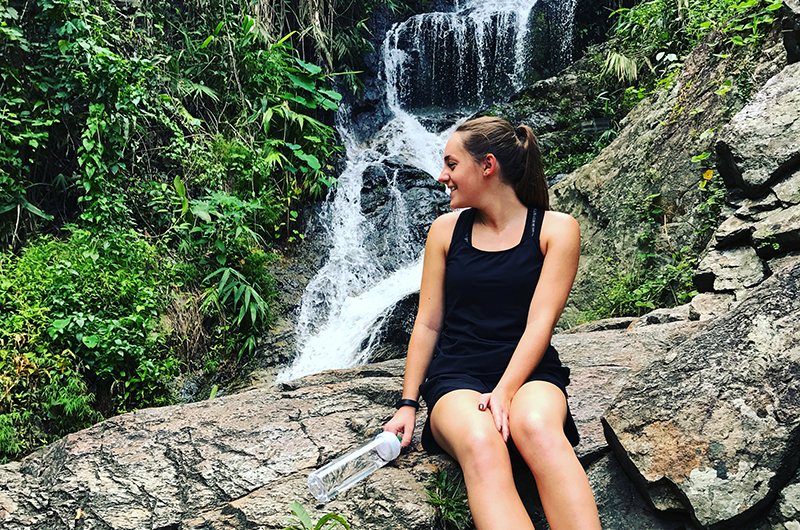



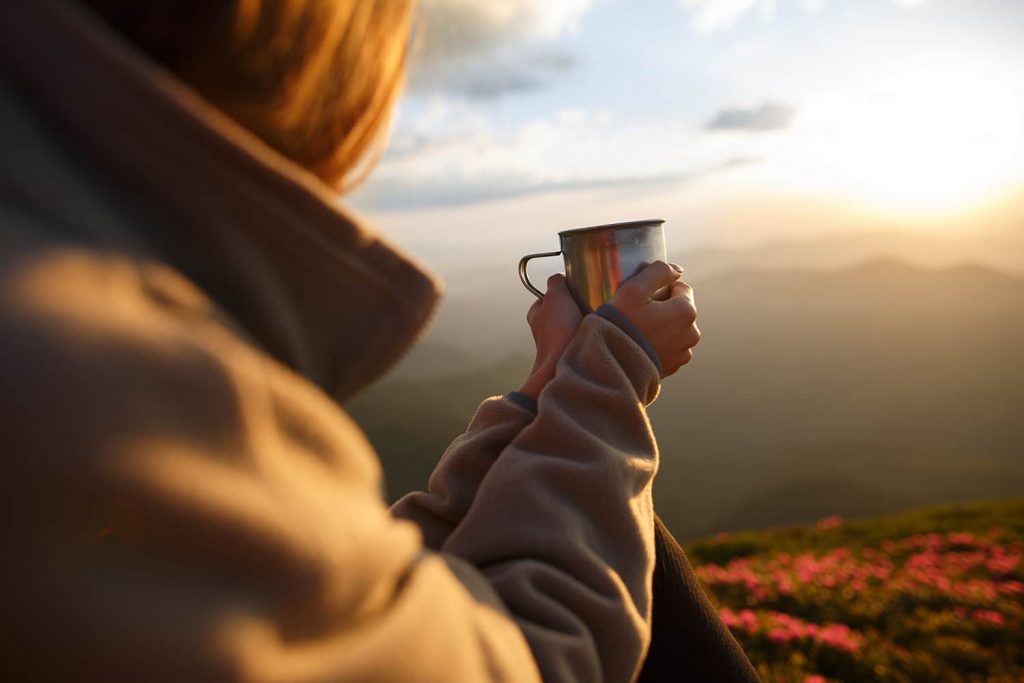
Venturing into distant regions offers a rare chance to reconnect with raw landscapes and unfamiliar cultures. Many travelers pursue Remote Fearless Exploration to find solitude, challenge assumptions, and discover places untouched by excessive development. Remote settings encourage clarity. They create space for introspection and genuine adventure.
Understanding the Allure of Remote Spaces
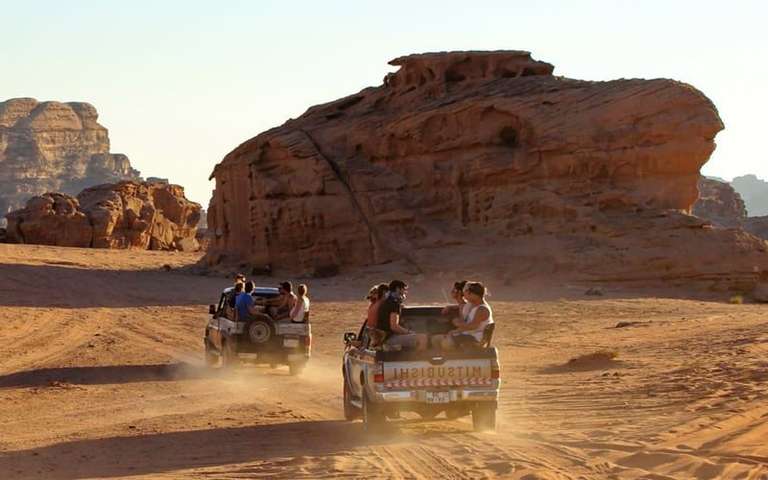
Remote destinations maintain a distinct character shaped by nature rather than urban influence. Jagged coastlines, expansive deserts, and isolated mountain ranges carry a tranquil intensity. These environments shift your focus. Observations feel sharper. Even ordinary sounds like flowing water or rustling leaves become more noticeable.
Traveling far from populated hubs offers a break from routine. Each step feels purposeful. The experience broadens personal perspective and strengthens adaptability.
Preparing for Deep Exploration
Preparation determines the quality of your journey. Reliable navigation tools prevent unnecessary detours. Maps, offline applications, and compact GPS devices provide direction when signals drop. Proper clothing ensures comfort. Weather in remote regions can shift quickly.
Pack food with long shelf life. Bring hydration supplies that support long hours of movement. Preparation protects your energy and keeps your mind steady during unpredictable conditions.
Respecting Local Communities and Traditions
Remote areas often host small communities with strong cultural identities. Show respect during every interaction. Ask questions politely. Observe traditions with care. Local knowledge enriches your visit and keeps you grounded.
Support local businesses. Choose guides or homestays operated by residents. These choices strengthen community well being while giving you insight into the rhythms of local life.
Navigating Natural Challenges
Challenging terrain forms part of the appeal. Forest paths may twist unexpectedly. River crossings demand careful steps. High altitudes require slower pacing. Each challenge tests your awareness and patience.
Learn basic environmental skills. Understand how to interpret weather patterns. Recognize subtle signs of changing conditions. These skills keep you safe and elevate your confidence throughout the expedition.
Appreciating Untouched Landscapes
Remote locations often preserve ecological systems in their purest form. Observe wildlife from an appropriate distance. Avoid disturbing natural habitats. Walk lightly to prevent erosion on fragile paths.
Savor each vista. Record details in notes or photographs to preserve memories. Untouched landscapes inspire a deeper sense of gratitude for the planet.
Building Mental Resilience
Exploring distant regions strengthens mental fortitude. Silence dominates remote spaces. You confront your thoughts without distraction. This builds clarity and grounding.
Moments of difficulty become opportunities for growth. Whether adjusting to limited resources or navigating unfamiliar terrain, resilience becomes part of your journey.
Capturing the Spirit of Isolation
Isolation holds a unique charm. Without bustle or noise, landscapes feel more expressive. Capture the quiet atmosphere through photography or journaling. Pay attention to subtle changes in light. Notice how shadows evolve as the day progresses.
Isolation encourages self discovery. It shapes personal insights and leads to a deeper connection with the environment.
Maintaining Safety and Awareness
Safety determines the success of your experience. Inform someone of your travel route. Carry emergency contacts. Bring first aid supplies suited for remote environments.
Stay aware of your surroundings. Study wildlife behavior before entering their territory. Responsible planning reduces risk and preserves the quality of your adventure.
Traveling Light While Staying Equipped
Travel light to conserve energy. Choose multi use gear and compact essentials. Keep your backpack balanced. The lighter the load, the more efficient your movement becomes.
Still, ensure you have enough resources for unexpected situations. Tools like multi purpose knives, waterproof bags, and fire starters serve as valuable support during long expeditions.
Embracing Slow Travel
Remote destinations invite slower travel. Rushing diminishes the experience. Move at a pace that allows you to notice details. Listen to natural rhythms. Watch how landscapes change from morning to evening.
This slower approach helps you absorb the essence of the place. Your understanding deepens. Your memories become richer.
Building Connections With Fellow Explorers
You may meet other explorers on secluded trails. These encounters often create memorable exchanges. Share insights. Discuss routes. Exchange observations about flora, fauna, and terrain.
Such connections feel organic. They enrich your journey and add warmth to your remote experience.
Leaving No Trace
Remote regions remain pristine when travelers act responsibly. Carry your waste. Avoid damaging vegetation. Leave the area cleaner than you found it.
Responsible behavior supports long term preservation. It ensures future explorers can enjoy the same beauty you experienced.
Conclusion
Remote destinations offer clarity and a stronger connection to nature. Preparation, respect, awareness, and curiosity guide every step. These journeys strengthen resilience and create lasting memories. Embracing distant environments reshapes your understanding of exploration and encourages deeper appreciation for the world.
More Stories
How to Embrace Fearless Exploration Safely
How to Embrace Fearless Exploration Without Fear
Uncharted Skies: A Fearless Traveler’s Guide to Unforgettable Journeys