
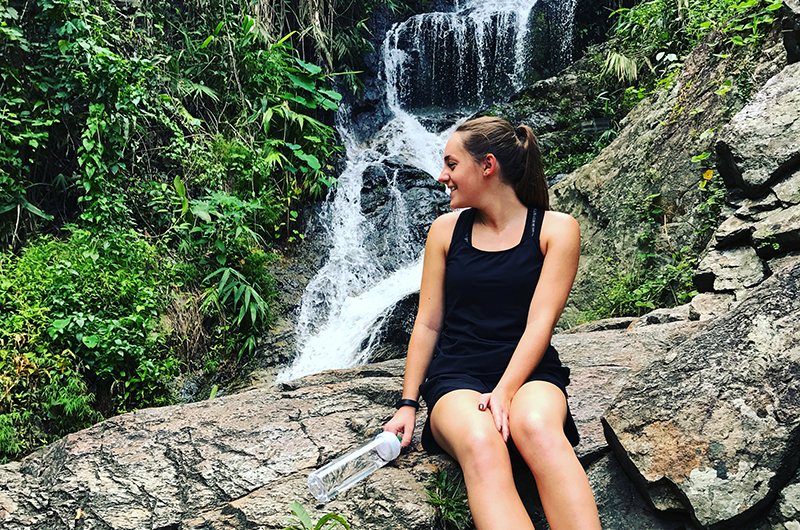




Capturing the essence of exploration requires both technical skill and creative vision. Photographers engaging in Adventure Photography Exploration aim to document landscapes, wildlife, and experiences in ways that convey emotion, scale, and narrative. Effective adventure photography transforms fleeting moments into lasting impressions, blending artistry with the unpredictability of the environment.

Understanding Your Environment
The foundation of compelling adventure photography lies in awareness of surroundings. Observe light, terrain, and weather conditions. Natural elements like shifting clouds, water reflections, or changing foliage can dramatically enhance compositions.
Recognize patterns in movement, such as flowing rivers or wildlife behaviors. Anticipating environmental dynamics allows photographers to capture moments that are both spontaneous and intentional.
Choosing the Right Gear
Selecting appropriate equipment is crucial for both quality and safety. Lightweight, durable cameras and lenses support mobility during rigorous activities. Weather-resistant bodies and protective cases safeguard against rain, dust, and impact.
Tripods, gimbals, or stabilizers assist in creating sharp, professional images. Extra batteries, memory cards, and portable storage ensure preparedness during extended trips or remote locations.
Mastering Composition
Strong composition elevates adventure photography from documentation to art. Techniques like the rule of thirds, leading lines, and framing guide the viewer’s eye through the image. Perspective and scale emphasize the grandeur or intimacy of a scene.
Experimenting with angles—low, high, or unusual viewpoints—adds depth and originality. Incorporating foreground elements creates dimension and invites the observer into the environment.
Managing Light and Exposure
Natural light is dynamic and often unpredictable in outdoor settings. Understanding exposure, white balance, and shutter speed allows photographers to adapt to rapidly changing conditions. Golden hours, dawn, and dusk offer soft, dramatic lighting ideal for capturing landscapes.
Adjusting ISO and aperture strategically ensures clarity while preserving mood. Monitoring shadows and highlights prevents loss of detail and enhances textural richness.
Capturing Motion and Action
Adventure photography frequently involves movement—cascading waterfalls, wind-swept forests, or dynamic activities like climbing or kayaking. Freeze motion with fast shutter speeds or introduce motion blur for artistic effect.
Tracking moving subjects requires anticipation and patience. Timing and precision transform ordinary action shots into compelling narratives that convey energy and context.
Emphasizing Storytelling
A powerful image communicates more than visual aesthetics; it tells a story. Include contextual elements, such as local people, equipment, or environmental markers. These details convey scale, purpose, and emotional resonance.
Consider sequences or series to illustrate progression, journey, or interaction with the landscape. Storytelling engages viewers and imbues photographs with depth and meaning.
Integrating Human Elements
Incorporating people provides relatability and scale. Subjects interacting with landscapes, performing activities, or displaying emotion add perspective. Human presence emphasizes the connection between explorer and environment.
Careful placement and awareness of posture, expression, and interaction with surroundings enhance narrative impact while maintaining natural authenticity.
Navigating Challenging Conditions
Adventure photography often occurs in demanding environments. Rain, wind, snow, or low light require adaptive techniques and protective measures. Learning to stabilize equipment, adjust settings quickly, and anticipate environmental changes ensures quality outcomes.
Preparedness minimizes risk to both photographer and gear, enabling creative focus even under adverse conditions.
Exploring Creative Techniques
Advanced techniques such as long exposures, panoramas, and time-lapse photography expand creative possibilities. Experimenting with reflections, silhouettes, or unusual color palettes introduces visual intrigue.
Post-processing enhances composition, contrast, and clarity. Editing should maintain authenticity while emphasizing the atmosphere and emotion inherent in the scene.
Prioritizing Safety and Ethics
Capturing extraordinary images should never compromise safety or environmental integrity. Maintain awareness of terrain, wildlife, and weather. Respect local customs, private property, and conservation guidelines.
Responsible photography ensures sustainable exploration. Ethical practice preserves both natural landscapes and cultural contexts for future adventurers.
Planning and Patience
Successful adventure photography relies on careful planning. Research locations, optimal lighting, and seasonal variations. Arrive early, scout vantage points, and anticipate opportunities.
Patience is essential. Waiting for perfect light, wildlife behavior, or weather conditions often produces the most striking images. Observation and timing transform persistence into reward.
Reviewing and Learning
Continuous assessment enhances skill development. Review images critically to identify strengths, weaknesses, and areas for improvement. Experiment with new techniques and adapt strategies based on experience.
Documenting lessons learned accelerates growth and deepens understanding of both photographic technique and environmental interaction.
Conclusion
Adventure photography merges technical mastery with curiosity and adaptability. Observing the environment, mastering equipment, and prioritizing storytelling result in images that capture the spirit of exploration. Ethical practice, patience, and creative experimentation transform fleeting moments into compelling narratives. Adventure photography elevates journeys into visual chronicles, preserving both the thrill and significance of fearless exploration.
More Stories
How to Embrace Fearless Exploration Safely
How to Embrace Fearless Exploration Without Fear
Uncharted Skies: A Fearless Traveler’s Guide to Unforgettable Journeys