



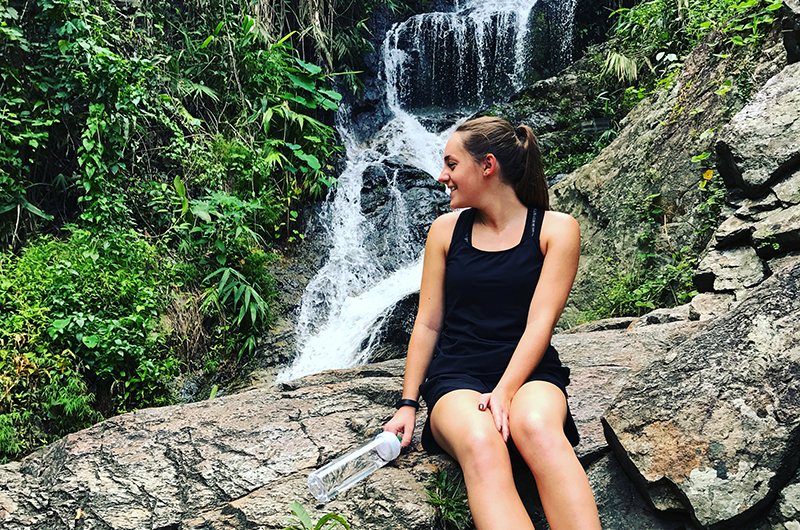

Tips Discover Hidden becomes a spark that motivates travelers to search beyond the usual routes. Curiosity grows when the environment feels untouched. The mind sharpens. The senses tune in. Each step builds anticipation for vistas that wait quietly behind natural barriers. This first moment of intent shapes the entire journey.

Understanding the Allure of Hidden Trails
Hidden paths often hold an atmosphere that mainstream trails lack. Silence settles comfortably. Light filters through leaves in unusual patterns. The terrain feels raw yet inviting. These qualities amplify the excitement of exploring places where most travelers never set foot.
Such trails demand attention. Small clues appear along the way, hinting at the direction ahead. Faint footprints. Slight depressions in the soil. A narrow line of trampled grass. Observing these details transforms the journey into a mindful practice. The path reveals itself slowly, guiding travelers toward views that feel earned.
Study Routes with Purpose
Preparation plays a central role in discovering secluded vantage points. Detailed maps of regional parks, state forests, or mountain reserves often include faint lines representing older or less traveled routes. Studying these details supports smarter navigation.
Local knowledge adds depth. Rangers and long time hikers know which paths remain stable and which sections shift after heavy rain. They understand seasonal changes that influence trail quality. A short conversation can open possibilities that standard networks overlook.
Equip Yourself for Comfort and Stability
Reliable gear affects both safety and enjoyment. Footwear with strong traction supports movement over uneven surfaces. Weather resistant layers protect the body from sudden shifts in temperature. A light rain cover shields essentials from moisture.
Hydration plays a major role during longer routes. Bringing enough water sustains energy. Strategic snacks maintain focus. A compact first aid kit handles minor scrapes. Navigation tools support orientation when signal reception becomes unreliable.
Move with Intentional Pace
The rhythm of a journey influences how well hidden paths reveal themselves. Rushing prevents careful observation. Moving steadily helps identify signs that might otherwise go unnoticed. Slow intervals allow the eyes to study the contour of the ground and the shape of foliage.
Short breaks sharpen attention. They also offer chances to appreciate small transitions in the landscape. A shift in wind direction. A glimmer of light on distant rock walls. These subtle signals often indicate that a panoramic viewpoint is approaching.
Follow Natural Indicators
Nature provides consistent guidance for travelers who pay attention. Water tends to carve pathways that lead toward valleys or cliffs with sweeping views. Wind patterns shape certain treetops and can point toward open ridges. Sunlight reveals elevation changes when it hits slopes at distinct angles.
Listening also matters. The hum of insects grows louder near water sources. Echoes behave differently near cliffs. These auditory hints create a framework for understanding the direction and potential reward of the route ahead.
Respect Wildlife and Surroundings
Hidden paths often cut through environments where animals thrive away from busy human activity. Respect maintains balance. Keeping distance reduces stress on wildlife. Remaining quiet prevents unnecessary disturbance.
Protecting the landscape ensures that future explorers experience the same beauty. Staying on stable ground prevents soil erosion. Carrying trash out preserves the purity of the surroundings. Travelers who move respectfully support long term conservation.
Learn Terrain Behavior
Each landscape type carries distinct characteristics. Forest routes often become narrow due to root growth. Mountain trails change shape throughout the year. Coastal paths shift subtly with tide cycles.
Understanding these behaviors improves decision making. Forest walkers scan for protruding roots. Mountain hikers pay attention to loose gravel. Coastal explorers track tide schedules. These adaptations stabilize footing and reduce risk.
Notice Viewpoint Patterns
Stunning views often appear after natural transitions. A steep incline frequently leads to a ridge. A dense cluster of trees may open suddenly into a clearing. A sharp turn on a narrow trail might reveal a high vantage point.
Recognizing these patterns enhances anticipation. It helps travelers predict when a dramatic scene might emerge. The moment the view appears feels more exhilarating because the journey prepared the mind for it.
Embrace the Unexpected
Hidden paths often surprise travelers with small discoveries. A stream flowing through a carved stone corridor. A fallen tree forming an improvised bridge. Sunlight reflecting off a rock surface in an unusual color. These moments create vivid memories.
Humor makes the experience even better. A crooked branch that resembles an animal silhouette. A rock formation that looks unintentionally artistic. These small observations lift spirits and make challenges feel lighter.
Capture Moments Responsibly
Documenting views preserves the memory. A steady hand and awareness of the environment ensure that photography does not disrupt the space. Travelers avoid stepping into fragile areas just to secure a better angle. Responsible choices allow nature to remain untouched while still creating beautiful records.
Conclusion
Hidden paths offer unforgettable routes toward breathtaking scenery. Preparation, observation, and respect guide every step. Travelers who move thoughtfully gain access to landscapes that reward patience and curiosity. Each path becomes a chance to grow, learn, and appreciate nature from a deeper perspective.
More Stories
Discover Hidden Paths. Off the Beaten Track Adventures
Secret Paradise: Unexplored Gems of the World
Hidden Gems: Uncharted Destinations That Will Take Your Breath Away