


Nature photography becomes more rewarding when explorers intentionally move through landscapes that few travelers encounter. Journeys through quiet forests, secluded hills, and untouched clearings gain depth when photographers Plan Hidden Paths before heading out. This early preparation strengthens creativity and supports a smoother experience on the trail.

Choose Trails That Spark Visual Curiosity
Visual storytelling thrives in places that stimulate observation. Hidden routes often contain textured patterns, unexpected colors, and dramatic contrasts. These details appear in shifting light, winding branches, and quiet streams that break through dense vegetation.
Selecting trails with varied terrain expands photographic possibilities. A mix of open fields, shaded sections, and elevated viewpoints gives photographers more options. Travelers capture unique compositions because the environment continuously changes.
Understand Light and Timing
Light shapes every image. Dawn offers softer tones that create gentle highlights. Midday provides clarity and bolder shadows. Sunset frames the environment with warm gradients that amplify depth.
Planning around these natural cycles supports stronger shots. Photographers who understand how light interacts with forest canopies, rock formations, and water surfaces create more intentional compositions. Waiting for the right moment often leads to surprising results.
Pack Practical and Lightweight Gear
Photography along hidden routes requires flexibility. A lightweight camera setup helps the photographer stay agile. Sturdy but compact tripods support stability without slowing movement. Filters control brightness and increase contrast in high glare areas.
Carrying extra batteries and memory storage avoids interruptions. Dense trails may demand more time than expected. Reliable equipment ensures that photographers do not miss important moments.
Observe Small Details as You Move
The charm of hidden trails lies in their subtlety. Tiny leaves reflecting sunlight. Moss growing between stones. Raindrops resting on petals. These moments often go unnoticed unless travelers move slowly.
Taking time to pause strengthens awareness. Small details enrich the visual narrative and create photographs that feel more personal. Observing the environment with patience leads to unexpected discoveries.
Use Composition Techniques Thoughtfully
Strong compositions guide viewers through the image. Leading lines help direct the gaze. Natural frames like tree branches or rock arches add structure. Foreground textures enhance depth.
Experimenting with angles improves creativity. Shooting from different heights or perspectives reveals new layers. Hidden paths naturally provide curves and contours that help build balanced compositions.
Stay Respectful of the Environment
Photography becomes more meaningful when travelers protect the places they capture. Staying on natural paths reduces disruption to fragile ecosystems. Avoiding loud movements keeps wildlife calm.
Carrying out all waste preserves the integrity of quiet trails. Respect helps ensure that others can enjoy the same beauty. Careful movement also prevents accidental harm to delicate plants or small creatures living along the path.
Work With Weather Instead of Resisting It
Weather transforms scenery. Mist creates mystery. Light rain enriches color saturation. Bright sunlight sharpens textures. Each condition offers different opportunities.
Photographers who adapt to shifting skies gain more dynamic results. Preparing simple protective covers keeps equipment safe. Embracing weather variation often leads to compelling images that stand out.
Balance Spontaneity With Preparation
Hidden trails reward both planning and improvisation. Research offers direction. Spontaneity unlocks surprise. Travelers may discover a striking viewpoint, a vibrant patch of wildflowers, or a small pond reflecting the sky.
Remaining open to detours enhances the journey. The ability to shift focus while staying aware of surroundings strengthens the creative flow. Photography becomes more intuitive and expressive.
Practice Quiet Observation
Some of the best shots emerge from silence. Wildlife appears when noise fades. Wind patterns, flowing water, and subtle rustling become easier to notice. These cues guide photographers toward the next captivating scene.
Quiet observation increases sensitivity to movement and color. It allows the environment to reveal itself gradually. Hidden paths reward patience with rare visual moments.
Capture Motion When Possible
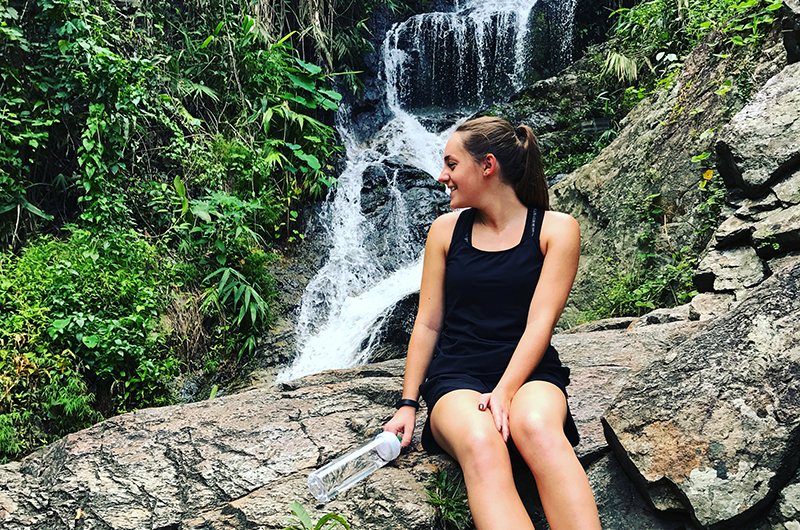
Nature is filled with motion. Leaves flutter. Water cascades. Clouds shift across the sky. Using slower shutter speeds produces artistic blur. Faster speeds freeze action sharply.
Experimenting with movement adds variety to a series of images. This approach turns ordinary moments into dynamic visual stories. Motion provides energy that complements still landscape shots.
Review and Reflect After Returning
Reflection enhances growth. Looking through captured images reveals patterns, strengths, and areas to improve. Some photos may highlight successful use of light. Others may show the value of patience.
Reviewing the journey helps shape future trips. Photographers refine their instincts and become more deliberate with every outing.
Conclusion
Hidden paths offer ideal environments for thoughtful nature photography. Careful planning, patient observation, and adaptive creativity enrich each moment on the trail. The journey becomes a continuous exchange between the traveler, the light, and the landscape.
More Stories
Discover Hidden Paths. Off the Beaten Track Adventures
Secret Paradise: Unexplored Gems of the World
Hidden Gems: Uncharted Destinations That Will Take Your Breath Away