




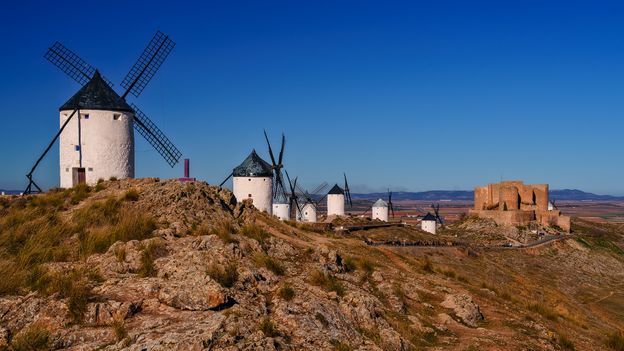
Capturing the Essence of Travel
Travel photography transforms fleeting moments into lasting memories. Horizons Photography Tips emphasize intentionality, perspective, and creativity to elevate snapshots into compelling visual stories. Understanding light, composition, and subject matter allows travelers to document landscapes, cultures, and experiences authentically. Photography becomes both a tool for preservation and a medium for expression, capturing the essence of each journey with clarity and artistry.
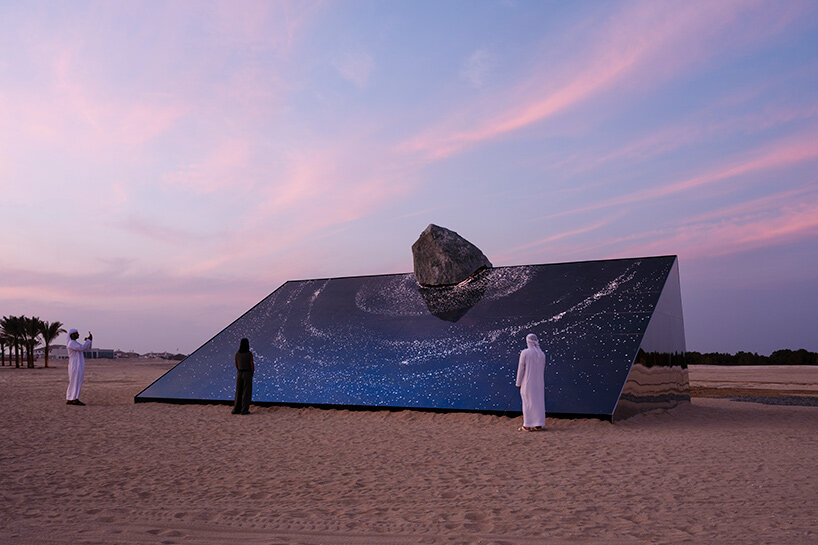
Understanding Light and Timing
Lighting is the cornerstone of impactful photography. Golden hours, shortly after sunrise and before sunset, offer warm tones and soft shadows that enhance landscapes and portraits. Midday light can be harsh, but careful positioning and exposure adjustments create dynamic contrasts. Observing how light interacts with the environment allows photographers to highlight textures, colors, and mood, transforming ordinary scenes into captivating imagery.
Composition Techniques
Framing and composition guide the viewer’s eye and convey narrative. Utilizing techniques such as the rule of thirds, leading lines, and natural frames adds depth and balance. Symmetry and asymmetry can evoke different emotions, while perspective shifts create a sense of scale or intimacy. Thoughtful composition transforms ordinary subjects into visually compelling stories that communicate both place and emotion.
Engaging with Local Culture
Photography extends beyond landscapes to include cultural encounters. Capturing festivals, rituals, or daily life requires sensitivity, respect, and patience. Building rapport with subjects fosters authentic portraits and candid moments. Observing etiquette and seeking consent ensures ethical documentation, preserving dignity while enriching the visual narrative. Cultural engagement adds layers of meaning to travel photography, creating imagery with context and depth.
Equipment and Gear Considerations
Selecting appropriate equipment enhances creative possibilities. Compact cameras offer mobility, while DSLRs and mirrorless systems provide advanced control over exposure, focus, and lens selection. Tripods, filters, and extra batteries expand flexibility in diverse conditions. Minimalist gear encourages agility and spontaneity, while specialized tools enable technical experimentation. Understanding the capabilities and limitations of equipment empowers photographers to capture a wide range of scenes effectively.
Capturing Motion and Action
Travel often involves dynamic environments, from bustling markets to active landscapes. Techniques such as panning, long exposure, and high shutter speeds capture motion with clarity or artistic blur. Observing patterns and anticipating movement allows photographers to freeze decisive moments or convey energy. Motion-focused photography adds dimension and vitality, reflecting the dynamic nature of exploration.
Storytelling and Narrative
A compelling photograph communicates more than aesthetics; it tells a story. Sequencing images to reflect progression, emotion, and context enhances narrative cohesion. Capturing contrasts, juxtapositions, or unique perspectives adds intrigue. Consideration of mood, color, and subject interaction strengthens storytelling. Travel photography becomes a medium for sharing experiences, inviting viewers to connect with place, culture, and atmosphere.
Post-Processing and Editing
Editing refines and enhances imagery without compromising authenticity. Adjustments to exposure, contrast, saturation, and sharpness bring out details and mood. Cropping, alignment, and selective adjustments improve composition and visual impact. Maintaining a consistent editing style creates a cohesive portfolio, while subtle enhancements preserve the natural essence of the captured scene. Post-processing transforms raw captures into polished visual narratives.
Mindfulness and Observation
Successful travel photography relies on attentive observation. Noticing small details, fleeting expressions, or subtle environmental changes reveals unique photographic opportunities. Patience and mindfulness allow for thoughtful framing and anticipation of decisive moments. Observing quietly enhances both the quality of images and the photographer’s connection to surroundings, fostering a more immersive and reflective experience.
Sharing and Preservation
Documenting and sharing photographs extends their impact. Organizing images with metadata, tags, or thematic collections ensures accessibility and long-term preservation. Sharing through exhibitions, blogs, or social media amplifies cultural awareness and storytelling. Archiving images responsibly safeguards memories, allowing them to inspire and inform others while preserving personal experiences for reflection.
Conclusion
Exploring new horizons through photography transforms travel into an expressive, reflective, and immersive experience. Mastery of light, composition, motion, and cultural engagement elevates visual storytelling. Thoughtful equipment selection, mindful observation, and ethical practices enhance both creative expression and authenticity. Post-processing, narrative sequencing, and careful sharing preserve the essence of journeys, allowing travel photography to inspire, document, and communicate the richness of exploration across landscapes, cultures, and moments.
More Stories
How to Explore New Horizons Safely and Confidently
How Explore New Horizons Inspires Personal Growth
Uncharted Horizons: Redefining Travel Through Unforgettable Experiences