



Capturing the Essence of Exploration
Photographing unfamiliar landscapes requires awareness, technique, and curiosity. The Unknown Photography Tips guide adventurers to document scenes that reflect authenticity and emotion. Each unfamiliar moment offers an opportunity to frame perspectives that reveal the spirit of discovery. Effective photography turns fleeting experiences into lasting stories.

Understanding Light in Remote Locations
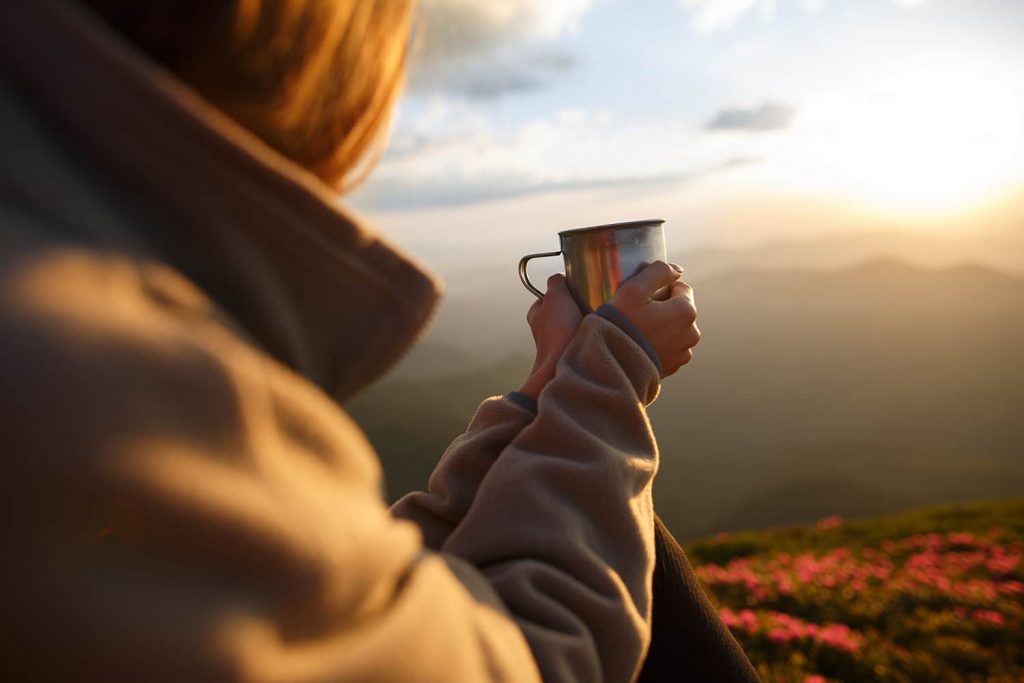
Light shapes the atmosphere of every photograph. Adventurers benefit from observing natural illumination during early morning and late afternoon when shadows soften and colors intensify. Remote areas often present dramatic shifts in brightness. Adjusting exposure, utilizing natural reflectors such as water or rock surfaces, and positioning subjects thoughtfully ensures balanced and evocative images.
Mastering Composition Techniques
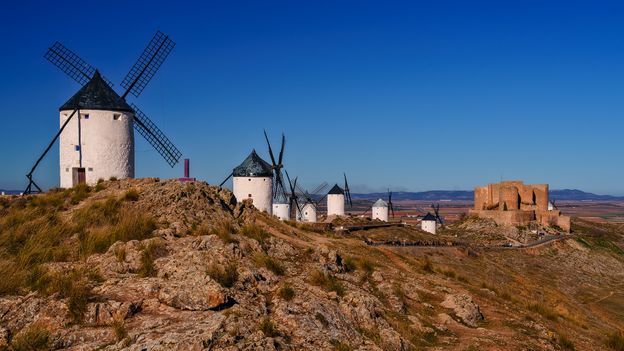
Strong composition enhances visual impact. Applying the rule of thirds places key elements strategically within the frame. Leading lines, such as river paths or mountain ridges, direct attention through the image. Incorporating foreground elements adds depth and scale. Experimenting with angles and perspectives transforms ordinary scenes into compelling visual narratives.
Adapting to Unpredictable Conditions
Unfamiliar terrain introduces variability that demands flexibility. Weather, altitude, and lighting may shift suddenly. Keeping equipment protected, preparing for moisture, and adjusting settings quickly maintains image quality. Capturing dynamic conditions like fog, rain, or sudden sunlight creates atmospheric photos that highlight the raw energy of the environment.
Choosing the Right Gear
Travel photography in remote regions requires reliable equipment. Lightweight cameras, versatile lenses, and durable tripods support mobility and precision. Wide angle lenses capture expansive landscapes. Telephoto lenses isolate distant subjects. Extra batteries, memory cards, and protective gear ensure readiness during prolonged excursions.
Working with Natural Subjects
Exploring unknown areas often reveals wildlife, plant life, and geological formations. Patience is essential when photographing natural subjects. Observing behavior patterns, maintaining respectful distance, and adjusting shutter speed for movement preserve both clarity and authenticity. Focusing on unique textures and patterns found in nature enriches the visual storytelling of the journey.
Capturing Human Interaction and Culture
Documenting local communities adds emotional depth to travel photography. Seeking permission before photographing people ensures respect. Capturing daily activities, craftsmanship, or traditional attire reflects the cultural essence of the location. Natural expressions and candid moments convey authenticity and strengthen connection between viewer and subject.
Utilizing Manual Settings for Precision
Manual adjustments allow photographers to adapt to unpredictable scenes. Controlling aperture determines depth of field. Adjusting ISO supports shooting in low light without excessive noise. Shutter speed manages motion, whether freezing action or creating soft trails. Mastery of manual settings expands creative control and sharpens technical skill.
Experimenting with Unique Perspectives
Exploration encourages experimentation. Shooting from ground level, climbing to higher vantage points, or framing reflections in water produces distinctive images. Observing shadows, silhouettes, and textures reveals overlooked details. Allowing curiosity to guide angles and compositions creates memorable photographs that stand apart from conventional travel imagery.
Practicing Patience and Observation
Great photographs often require stillness. Observing the environment allows moments to unfold naturally. Waiting for clouds to shift, wildlife to emerge, or light to soften increases the chance of capturing significant scenes. Patience refines intuition and deepens engagement with the environment.
Post Processing for Enhancement
Thoughtful editing elevates photographs without compromising authenticity. Adjusting contrast, sharpness, and color temperature refines clarity. Cropping strengthens composition. Preserving natural tones maintains realism. Post processing should enhance the image while honoring the integrity of the moment captured.
Conclusion
Photography in unfamiliar territories blends technique, patience, and awareness. Light, composition, equipment, cultural sensitivity, and adaptability all contribute to impactful travel images. By observing surroundings closely and experimenting with creative approaches, adventurers can document their journey with clarity and emotion. Each photograph becomes a testament to exploration and the beauty found in the unknown.
More Stories
Journey Into Unknown: Mindset Tips for Fearless Travel
Journey Into Unknown: Destinations Off the Beaten Path
Beyond the Edge: A Voyage into the Uncharted