




Offbeat Travel: Where the Road Less Traveled Leads to the Most Unforgettable Adventures
In a world where travel has become increasingly commodified, with tourists flocking to the same overcrowded landmarks and bucket-list destinations, a quiet revolution is underway. More and more travelers are shunning the beaten path in favor of something far more rewarding: offbeat travel. This isn’t about ticking boxes on a checklist—it’s about discovering hidden gems, immersing yourself in authentic cultures, and creating memories that linger long after the journey ends. Offbeat travel isn’t just a trend; it’s a mindset, a way to experience the world on your own terms. Whether you’re seeking solitude in remote landscapes, quirky local traditions, or simply a deeper connection with the places you visit, the road less traveled promises experiences that are as unforgettable as they are unexpected.
Why Choose the Offbeat Path?
Opting for offbeat travel isn’t just about avoiding crowds—it’s about enriching your journey in ways that mainstream tourism often fails to deliver. Here’s why it’s worth considering:
- Authentic Connections: When you venture beyond tourist hotspots, you’re more likely to meet locals who share their stories, traditions, and way of life. These interactions foster a deeper understanding of the culture and create bonds that transcend the typical traveler-resident divide.
- Unique Experiences: Offbeat destinations often hide secrets that guidebooks overlook. Whether it’s a family-run guesthouse in a rural village, a centuries-old festival celebrated by a small community, or a breathtaking natural wonder only accessible by foot, these experiences are tailor-made for those willing to explore.
- Sustainability and Responsibility: Mass tourism can strain local resources and disrupt ecosystems. By choosing lesser-known destinations, you contribute to a more balanced and sustainable form of travel, supporting small businesses and preserving the environment.
- Personal Growth: Stepping outside your comfort zone is where the magic happens. Offbeat travel challenges you to adapt, learn, and grow in ways that a luxury resort or a guided tour simply can’t.
The Magic of Serendipity
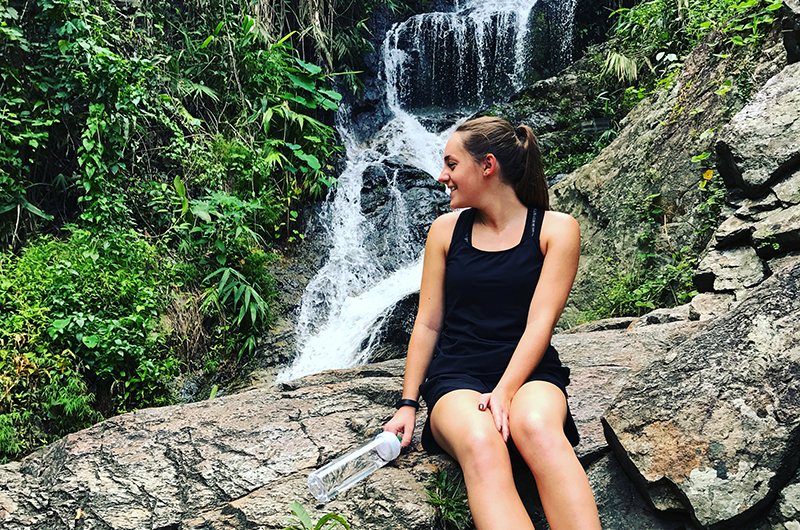
One of the greatest joys of offbeat travel is the element of serendipity—the unexpected moments that make a trip truly special. Imagine stumbling upon a hidden waterfall while hiking through an unmarked trail in the Scottish Highlands, or joining a spontaneous street food festival in a small town in Vietnam. These are the experiences that don’t appear in itineraries but become the stories you tell for years to come.
Offbeat travel also encourages spontaneity. Without a rigid schedule, you’re free to follow your instincts, whether that means taking a detour to a neighboring village or striking up a conversation with a local artisan who invites you into their workshop. It’s these unplanned detours that often lead to the most profound and memorable adventures.
Top Offbeat Travel Destinations to Inspire Your Next Journey
If you’re ready to ditch the crowds and explore the extraordinary, these destinations promise to deliver experiences that are as unique as they are remarkable:
1. Socotra, Yemen
Often described as the “Galápagos of the Indian Ocean,” Socotra is a surreal landscape straight out of a fantasy novel. Its dragon’s blood trees, with their umbrella-like canopies, dot the arid terrain, creating a scene that feels otherworldly. The island’s isolation has preserved a remarkable array of endemic species, making it a paradise for nature lovers and photographers alike.
2. Bannack State Park, Montana, USA
Step into a ghost town frozen in time at Bannack State Park. Once a thriving gold rush community, this well-preserved ghost town offers a glimpse into the past, with over 60 buildings still standing, including a saloon, a schoolhouse, and a jail. It’s a hauntingly beautiful place where you can wander the empty streets and imagine what life was like in the 19th century.
3. Svalbard, Norway
For those who crave adventure in the Arctic, Svalbard is a dream come true. This remote archipelago, located halfway between Norway and the North Pole, offers polar bear sightings, Northern Lights displays, and the chance to explore glaciers and ice caves. The world’s northernmost permanent settlement, Longyearbyen, is a charming base for your adventures, complete with a quirky museum dedicated to the history of mining and polar exploration.
4. Shirakawa-go, Japan
While Kyoto and Tokyo may dominate Japan’s travel scene, the village of Shirakawa-go is a hidden gem that transports you to another era. Known for its thatched-roof farmhouses, some of which are over 250 years old, this UNESCO World Heritage site looks like something straight out of a fairy tale. Visiting in winter, when the village is dusted with snow, is especially magical.
5. The Faroe Islands, Denmark
Nestled between Iceland and Norway, the Faroe Islands are a rugged, windswept archipelago where dramatic cliffs plunge into the sea and waterfalls cascade down moss-covered mountains. The islands are a haven for hikers, birdwatchers, and anyone seeking solitude. The lack of mass tourism means you can often have entire scenic spots to yourself.
6. Ladakh, India
Often called “Little Tibet,” Ladakh is a high-altitude desert region in northern India that offers a stark contrast to the chaos of Delhi or Mumbai. Here, you’ll find ancient Buddhist monasteries perched on cliffs, turquoise lakes like Pangong Tso, and a culture deeply rooted in Tibetan Buddhism. The region’s remote location and high passes make it a challenging but incredibly rewarding destination for adventurers.
7. Faroe Islands’ Mykines, Faroe Islands
For a truly offbeat experience, head to Mykines, the westernmost island in the Faroe archipelago. Known as one of the best places in the world for puffin watching, Mykines is accessible only by helicopter or a challenging hike. The island’s dramatic cliffs are home to thousands of seabirds, and the sense of isolation is palpable. It’s a place where nature reigns supreme, and human presence feels like a privilege.
How to Travel Off the Beaten Path
Embarking on an offbeat adventure requires a bit more planning and flexibility than a typical vacation, but the rewards are well worth the effort. Here are some tips to help you get started:
- Do Your Research (But Stay Open-Minded): While guidebooks and blogs can provide inspiration, avoid over-planning. Leave room for spontaneity and local recommendations. Talk to locals, fellow travelers, and even expats who might know about hidden gems.
- Embrace Slow Travel: Offbeat travel often requires moving at a slower pace. Instead of rushing from one city to another, consider spending more time in one place. This allows you to immerse yourself in the local culture and stumble upon unexpected experiences.
- Learn the Basics of the Local Language: Even a few phrases in the local language can open doors and lead to warmer interactions. Locals are often more willing to share their culture with those who make an effort to connect.
- Travel During Shoulder Seasons: Avoiding peak tourist seasons not only helps you avoid crowds but also allows you to experience a destination in a more authentic way. For example, visiting a European city in winter might reveal its quieter, more local side.
- Use Alternative Accommodations: Skip the chain hotels and consider staying in guesthouses, homestays, or even camping. These options often provide a more intimate and authentic experience. Platforms like Airbnb and Couchsurfing can connect you with locals who can offer insider tips.
- Be Respectful and Adaptable: Offbeat travel often means encountering cultures and customs that are vastly different from your own. Approach these experiences with an open mind and a willingness to learn. Respect local traditions, dress codes, and social norms to ensure your journey is both meaningful and respectful.
The Challenges—and How to Overcome Them
Offbeat travel isn’t without its challenges, but these obstacles often become part of the adventure. Here’s how to navigate them:
- Limited Infrastructure: Remote destinations may lack reliable transportation, internet access, or even running water. Pack light but be prepared with essentials like a portable charger, a water filter, and a good map. Consider hiring a local guide who knows the terrain.
- Language Barriers: In some offbeat destinations, English may not be widely spoken. Learn key phrases in the local language, use translation apps, or carry a phrasebook. Non-verbal communication, like gestures and smiles, can also go a long way.
- Health and Safety Concerns: Access to medical care may be limited in remote areas. Before traveling, research any health risks, such as altitude sickness or waterborne illnesses, and pack a well-stocked first-aid kit. Travel insurance that covers evacuation is also a must.
- Cultural Differences: What’s considered polite in one culture may not translate to another. Take time to understand local customs, such as dress codes, tipping etiquette, or dining practices. When in doubt, observe how locals behave and follow their lead.
Offbeat Travel on a Budget
Contrary to popular belief, offbeat travel doesn’t have to break the bank. In fact, many lesser-known destinations are more affordable than their touristy counterparts. Here’s how to explore the road less traveled without overspending:
- Travel Off-Peak: Shoulder seasons often mean lower prices for flights and accommodations. You’ll also avoid the crowds, making your experience more enjoyable.
- Use Public Transportation: In many offbeat destinations, public buses, trains, and ferries are not only cheaper but also offer a more authentic way to travel. Research local transportation options before you go.
- Eat Like a Local: Street food, markets, and small family-run restaurants are not only more affordable but also provide a taste of authentic cuisine. Avoid touristy restaurants near major attractions, as they tend to be overpriced.
- Stay in Budget Accommodations: Hostels, guesthouses, and homestays are often significantly cheaper than hotels. They also offer a chance to connect with locals and fellow travelers.
- Look for Free Experiences: Many offbeat destinations offer free or low-cost activities, such as hiking, visiting local festivals, or exploring public parks. Research what’s available in the area you’re visiting.
The Future of Offbeat Travel
As the world becomes more connected, the demand for unique and authentic travel experiences continues to grow. Offbeat travel is no longer a niche interest but a mainstream movement, driven by travelers who crave something beyond the ordinary. Social media has played a role in this shift, with platforms like Instagram and TikTok inspiring people to seek out hidden gems and share their discoveries with the world.
However, this growing popularity also poses challenges. As more travelers venture off the beaten path, some destinations risk becoming overcrowded or commercialized. The key to preserving the magic of offbeat travel lies in responsible and sustainable practices. Travelers must prioritize ethical tourism, respecting local cultures and environments while supporting community-based initiatives.
For those willing to take the road less traveled, the rewards are boundless. Offbeat travel offers a chance to break free from the monotony of mass tourism and rediscover the joy of exploration. It’s about finding beauty in the unexpected, connecting with people and places on a deeper level, and creating stories that will be cherished for a lifetime. So, pack your bags, leave the itinerary at home, and let the adventure begin.
More Stories
Secret Paradise: Unexplored Gems of the World
Hidden Gems: Uncharted Destinations That Will Take Your Breath Away
Hidden Gems: Unexplored Destinations You Must Visit