




Introduction & Background
In an age dominated by schedules, screens, and structured itineraries, the allure of unscripted outdoor discovery stands as a quiet rebellion. Sunlit trails winding through forgotten landscapes and hidden horizons beckoning beyond the next ridge remind us of a simpler truth. Nature does not follow a script, yet within its vast unpredictability lies an art form waiting to be practiced. This art is not about reaching a destination alone, but about the moments of wonder that unfold along the way. It is a celebration of curiosity, spontaneity, and the courage to step off the beaten path. Whether it is a solitary hike at dawn or a spontaneous detour into a woodland glade, the magic of unscripted discovery transforms ordinary outings into extraordinary experiences. As urban life grows louder and more confined, the call of the wild becomes not just a luxury, but a necessity for the soul.
Concept & Overview
The art of unscripted outdoor discovery is rooted in the philosophy of mindful wandering. Unlike traditional tourism or guided tours, it rejects rigid plans in favor of openness and presence. It is about following intuition rather than itineraries, embracing uncertainty rather than avoiding it. This approach values the journey as much as the destination, encouraging travelers to slow down, observe closely, and engage deeply with their surroundings. Central to this concept is the idea of serendipity. By allowing time for pauses and detours, travelers increase their chances of stumbling upon hidden waterfalls, rare wildlife sightings, or breathtaking viewpoints that no guidebook could predict. It is a practice that nurtures both humility and wonder, reminding us that the world is far more intricate and beautiful than any map can convey.
Key Features & Highlights
- Spontaneity: The journey begins with no fixed route, allowing decisions to be made in the moment based on mood, weather, or unexpected discoveries.
- Mindful Observation: Travelers cultivate a habit of noticing small details, such as the play of light on leaves or the call of distant birds, which often go unnoticed in hurried travel.
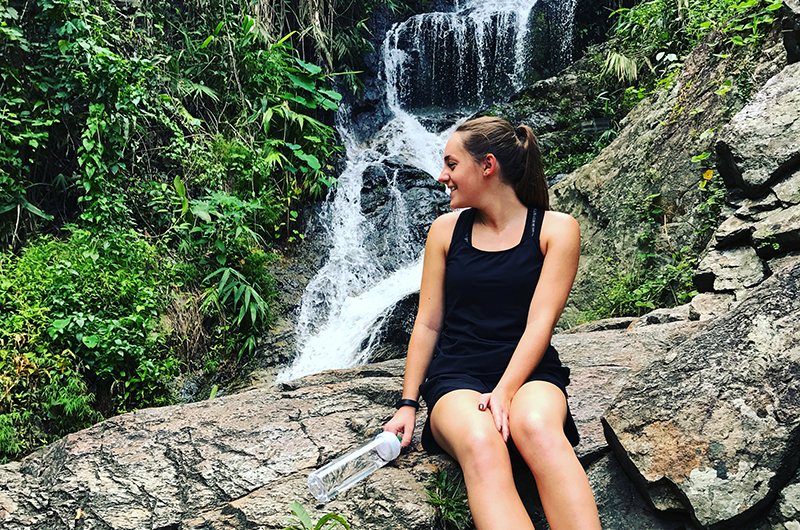
- Photographic Authenticity: Rather than staged shots, this approach favors candid captures that reflect real emotion and natural beauty, often found in the unplanned and unfiltered.
- Connection with Place: By spending extended time in one area, travelers develop a deeper understanding of local ecosystems, cultures, and histories, fostering genuine connection.
- Minimal Gear, Maximum Presence: Lightweight packing and simple tools encourage immersion in the environment rather than distraction from it.
Frequently Asked Questions / Pros & Cons
What exactly is unscripted outdoor discovery?
It is the practice of exploring natural environments without a predetermined route or agenda, prioritizing curiosity and presence over efficiency and planning.
Is this type of travel suitable for beginners?
Absolutely. Beginners can start with short, local walks and gradually build confidence in letting go of strict plans. The key is to begin small and embrace whatever unfolds.
What are the main benefits of this approach?
- Reduction in stress by avoiding over-scheduling and decision fatigue.
- Increased creativity and problem-solving through adaptability.
- Deeper emotional and sensory engagement with the natural world.
- Greater likelihood of unique, personal experiences that define a journey.
Are there any disadvantages?
Some may find the lack of structure unsettling, especially those accustomed to meticulous planning. Safety can also become a concern if travelers venture too far without preparation or local knowledge. Weather and terrain unpredictability may pose challenges, requiring adaptability and resilience.
Do I need special equipment for unscripted discovery?
Not necessarily. While basic navigation tools like a map and compass or a smartphone with offline maps are helpful, the essence lies in mindset rather than gear. Over-packing can hinder the experience by creating distractions.
How can I balance spontaneity with safety?
Start by informing someone of your general plans, carry essentials such as water and a first-aid kit, and gradually expand your comfort zone as you gain experience in reading terrain and weather patterns.
Practical Guidance & Solutions
To begin practicing unscripted outdoor discovery, start close to home. Choose a local park or trail system and set aside a few hours with no agenda beyond exploring. Leave your watch at home and let your curiosity guide your pace. Pay attention to changes in light, sound, and scent. Over time, expand your radius and allow yourself to wander without a predetermined return time. Keep a journal or sketchbook to document fleeting moments of beauty or insight, reinforcing the habit of presence.
When traveling to new regions, resist the urge to fill every hour with sightseeing. Allow for buffer time between planned activities, and be open to detours suggested by locals or fellow travelers. Learn basic navigation skills and carry a physical map as a backup to digital tools. Observe how weather patterns affect the landscape and adjust your timing accordingly. Above all, cultivate patience. The most profound discoveries often reveal themselves when we are willing to wait.
Conclusion
The art of unscripted outdoor discovery is more than a travel style. It is an invitation to rediscover the world through fresh eyes and an open heart. In a culture that values speed and control, this practice offers a gentle correction. It reminds us that life’s richest experiences often lie not in the destinations we plan, but in the unexpected paths we choose to follow. By embracing uncertainty and trusting the journey, we open ourselves to a deeper connection with the earth and with our own inner curiosity. So the next time you step outside, consider leaving the map behind. The horizon is calling, and the trail is waiting to reveal its secrets to those who dare to wander without a script.
More Stories
Wild Trails and Starlit Skies: The Art of Wandering Free
Adventure Beyond Limits: Uncharted Horizons and Unbreakable Spirits
Conquer the Wild: Extreme Adventures That Test the Limits of Human Endurance