



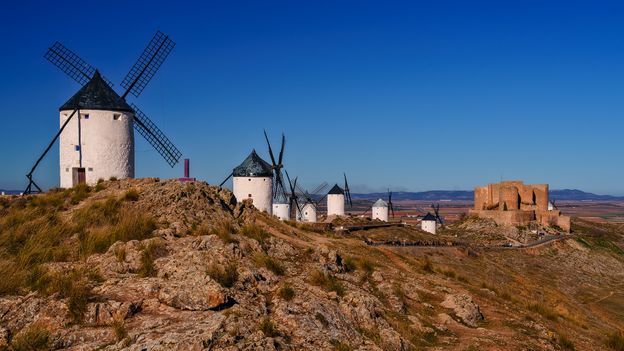

Fearless exploration begins with a mindset that celebrates curiosity and trusts personal capability. Many travelers seek an Ultimate Fearless Guide to navigate unfamiliar places with both confidence and intention. The journey becomes more meaningful when each decision reflects awareness, preparation, and adaptability. Courage grows steadily when exploration is approached with thoughtful structure.
:strip_icc()/kly-media-production/medias/5432024/original/042164000_1764753846-2151396555.jpg "The Ultimate Guide to Embrace Fearless Exploration")
Shaping a Resilient Mindset
A resilient mindset fuels exploration. Curiosity motivates forward movement. Focus helps you interpret unfamiliar environments with clarity. Self trust empowers you to evaluate situations without hesitation.
Build mental readiness by exposing yourself to new experiences gradually. Explore nearby trails or lesser known neighborhoods. Engage with different communities. These moments cultivate adaptability and broaden your understanding of diverse settings. Each small challenge strengthens your willingness to embrace bigger landscapes.
Researching Locations With Purpose
Begin with detailed research. Understanding geography, climate, and regional customs ensures smoother transitions. Study transportation systems. Learn entry requirements. Review local community guidelines to prevent misunderstandings.
Identify routes that match your skill level. Consider seasonal variations that influence trail conditions or accessibility. Insightful research reduces uncertainty and enhances your ability to make informed choices throughout your journey.
Planning With Flexible Structure
Structure helps maintain clarity while exploring. Create an itinerary. Add estimated times for movement, rest, and transition between locations. Flexibility allows spontaneous discovery. Keep additional buffer time for unexpected encounters or extended explorations.
Note key landmarks or emergency points along your route. These details help you stay oriented. Planning allows you to move with purpose, yet still engage naturally with the environment.
Selecting Gear That Supports Your Goals
Gear influences comfort and safety. Choose a backpack that distributes weight evenly. Pack layered clothing to adapt to shifting weather patterns. Reliable footwear maintains stability across varied terrain.
Navigation tools remain essential. Offline maps provide reference when signals weaken. A compass supports orientation when devices lose power. Quality gear prevents unnecessary complications and leaves space for enjoyment.
Nurturing Physical Readiness
Physical preparation improves your experience. Build stamina through regular activity. Light running or brisk walking increases endurance. Strength training supports joints and reduces strain during long treks.
Hydration and mindful nutrition also contribute to improved energy levels. Keeping your body balanced enables you to engage fully with each environment. Physical readiness encourages enjoyment rather than fatigue.
Observing Cultural Context
Respect shapes positive interactions. Learn basic greetings or phrases used in the region. Communities appreciate travelers who understand social cues and local customs.
Follow local guidelines in sacred or protected areas. Be considerate when photographing people or cultural sites. Observation supports respectful exchange and enriches your insights into the area you explore.
Navigating With Awareness
Navigation involves more than following a map. Pay attention to environmental markers. Trees, ridgelines, rivers, and distinct structures help you confirm direction. Awareness keeps you grounded and increases your confidence during unexpected detours.
Remain observant of weather patterns. Cloud movement, wind behavior, and temperature shifts can provide early indications of changing conditions. Awareness supports safe and effective decision making.
Managing Risk Without Losing Spirit
Risk assessment maintains safety without reducing enthusiasm. Evaluate surroundings before committing to difficult paths. Consider alternative routes if conditions appear unstable. Avoid rushing decisions.
Balance ambition with caution. Travel partners or local guides can offer valuable insight. Patience helps prevent unnecessary setbacks. A grounded approach allows you to explore boldly while protecting your wellbeing.
Using Technology Thoughtfully
Technology enhances travel when used wisely. Download navigation apps, language tools, and weather trackers. Carry a power bank to keep devices functioning throughout the day. Organize essential documents in both digital and printed formats.
Limit screen time during active exploration. Focus on the environment. Observation strengthens your connection to the destination. Technology should support your journey, not dominate it.
Recording Your Journey With Intent
Documenting experiences deepens your appreciation of the environment. Use a journal to record impressions. Describe sounds, textures, and interactions. Photographs capture visual context. Notes preserve emotional nuance.
Documentation builds valuable reflection. It transforms each step into a narrative that you can revisit. By recording your journey, you craft a personal archive of growth and exploration.
Conclusion
Fearless exploration thrives on preparation, curiosity, and conscious action. Each destination introduces lessons that develop your character and expand your perspective. Equipped with clarity and readiness, your journey becomes a continuous opportunity to grow. The world reveals its complexity and beauty when you step forward with purpose and trust in your own capabilities.
More Stories
How to Embrace Fearless Exploration Without Fear
Uncharted Skies: A Fearless Traveler’s Guide to Unforgettable Journeys
Uncharted Horizons: Bold Exploration Beyond the Known