



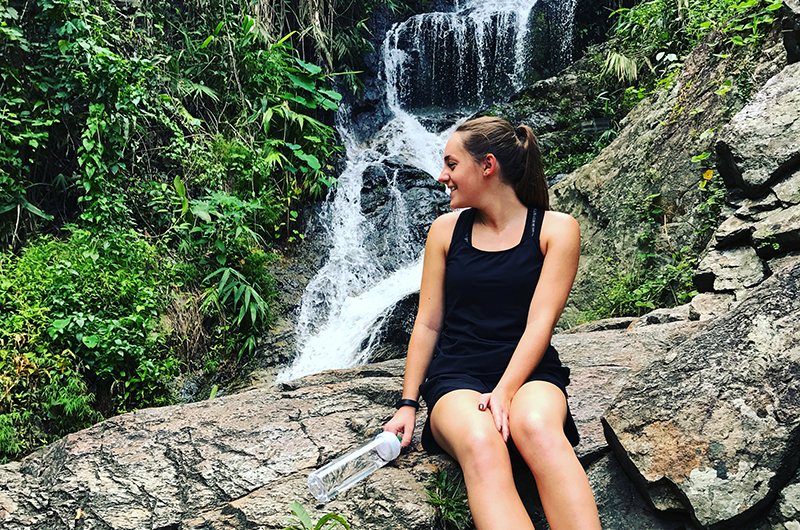

Hidden Paths Safely becomes a guiding principle when stepping into lesser known landscapes. Curiosity grows stronger when the trail feels untouched. Short pauses heighten awareness. Every sound matters. Every shift in terrain invites sharper focus. This mindset sets the tone for rewarding exploration.

Start with Solid Research
Strong preparation builds confidence. Studying local maps reveals contours that hint at secluded routes. Regional forums offer insights from explorers who have walked these areas before. They often share seasonal notes that influence difficulty and comfort.
Weather patterns matter. Rain makes soil slippery. Heat drains energy faster. Wind complicates navigation in dense forests. Knowing these variables supports smart planning and prevents unnecessary complications.
Use Local Knowledge Strategically
Local communities carry valuable perspectives. Conversations with park staff or residents uncover small trails that never appear on major platforms. These discussions shed light on recent changes like path closures or new wildlife sightings.
Local knowledge also clarifies which routes remain stable. Some trails shift after storms. Others become congested during certain months. Information gathered from the people who live nearby ensures better accuracy than digital maps alone.
Pack Purposeful Gear
Proper gear enhances safety and comfort. Footwear with reliable grip provides stability on unpredictable surfaces. Lightweight layers regulate temperature in shifting climates. A waterproof cover keeps essentials dry.
Hydration must come first. Travelers bring enough water for the round trip. Nutritious snacks supply steady energy. A small first aid kit handles minor setbacks. A compass or offline navigation tool supports orientation in areas with weak connectivity.
Maintain Mindful Pace
Pacing determines how well the journey unfolds. Moving too fast reduces awareness. Slowing down at intervals allows the eyes and ears to absorb terrain clues. This rhythm keeps mind and body aligned.
Short breaks reset focus. They help detect subtle landmarks like bent shrubs or textured tree bark that point toward lesser used routes. These signals prevent confusion later.
Observe With Precision
Hidden paths reveal themselves through small cues. Slight variations in soil color indicate frequent foot travel. A faint line of pressed vegetation suggests direction. The sound of flowing water may signal a nearby stream that connects to a known main trail.
Observing these markers trains intuition. Travelers learn to read the terrain instead of relying only on tools. This skill becomes an asset when trails intertwine or split in unexpected ways.
Respect the Environment
Natural spaces depend on thoughtful behavior. Staying on the stable line prevents damaging fragile plants. Avoiding loud noise protects wildlife. Carrying out trash maintains clean surroundings for future explorers.
Respecting the environment also keeps the traveler safe. Some plants irritate the skin. Some insects react to disturbance. Mindful movement reduces unnecessary risks.
Use Technology with Intention
Technology supports navigation when used wisely. GPS tools track progress. Flashlights offer clarity during dim conditions. Cameras document views without disrupting the moment.
However, overdependence on digital tools creates vulnerability. Batteries drain faster in cold environments. Devices may lose signal. Keeping traditional navigation skills ensures adaptability when technology falters.
Travel with a Clear Plan
A clear plan stabilizes the journey. Sharing route details with someone at home increases safety. Estimating return time keeps expectations grounded. This habit proves useful during unexpected delays.
Travelers also set personal boundaries. When a trail becomes unclear or conditions worsen, turning back becomes a smart decision. Awareness of limits prevents errors that could escalate.
Learn Terrain Patterns
Different landscapes present unique challenges. Forest trails hide obstacles beneath leaf layers. Mountain paths shift with loose gravel. Coastal tracks change shape with tides.
Understanding these patterns helps travelers choose the right tactic for each section. Forest walkers lift their feet higher. Mountain explorers distribute weight carefully. Coastal hikers track tide charts. Each adjustment improves stability.
Stay Flexible During Exploration
Hidden paths evolve. Branches fall. Grass overgrows. Natural changes create new shapes in familiar places. Flexibility becomes essential.
When a route appears blocked, travelers assess calmly and look for an alternate line that remains safe. They avoid risky shortcuts. They observe the surroundings, evaluate distance, and stay patient. This measured approach supports steady progress.
Value Small Discoveries
The joy of hidden paths often comes from tiny moments. A quiet rustle in the bushes. A sudden view that opens between trees. A cool breeze passing through a narrow corridor. These experiences elevate the journey.
Humor also lifts the mood. A quirky branch shape or oddly placed rock invites quick remarks that ease tension. Positive energy improves group dynamics and encourages continued exploration.
Conclusion
Discovering hidden paths requires preparation, awareness, and respect for nature. Travelers who move with intention gain deeper insights and safer experiences. Small decisions shape the outcome of every step, guiding each person toward more meaningful moments outdoors.
More Stories
Discover Hidden Paths. Off the Beaten Track Adventures
Secret Paradise: Unexplored Gems of the World
Hidden Gems: Uncharted Destinations That Will Take Your Breath Away