Best Carry-On Backpacks 2026: Five Cabin Bags We Tested
A carry-on backpack has to be a suitcase, a daypack and a seat companion at once. We carried six models through airports, trains and city streets to see which ones earn the space.
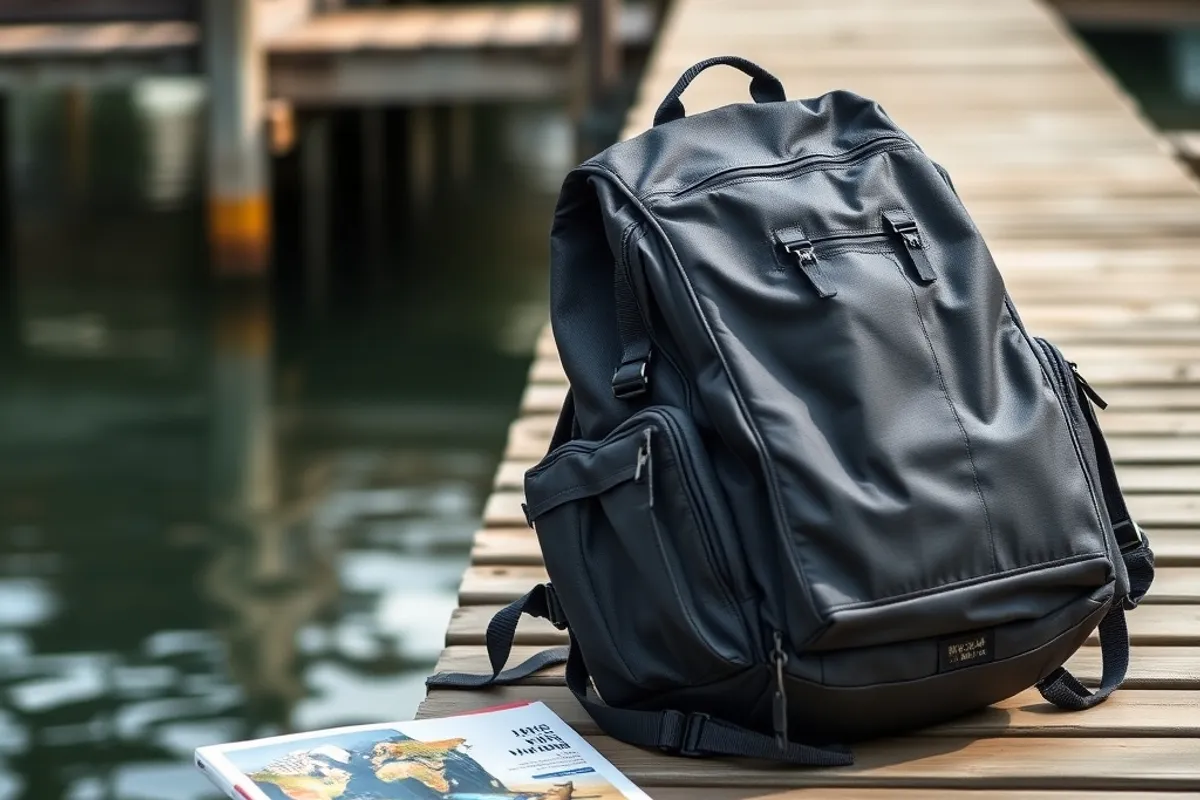
Size, straps and the rules that matter
Airline cabin limits are not identical, and a bag that fits one carrier may fail another. Measure the packed bag, not the empty one, and check the sizer at the gate before you rely on a soft shell to squeeze through. A 40-litre panel loader is the practical ceiling for most European low-cost flights.
Harness comfort matters more than another pocket. Look for a padded hip belt you can tuck away, load-lifter straps and a back panel that does not turn into a sweaty slab. Our gear section explains how we test, and the about page lists our rules.
Our top pick: Osprey Farpoint 40
The Farpoint 40 has been around for years because the formula works. It opens like a suitcase, carries like a backpack and fits the overhead bin on every flight we took. The harness tucks away cleanly when you check it, and the hip belt actually transfers weight.
At around 180 euros it is not the cheapest, but the warranty and the resale value soften the price. The laptop sleeve is basic and the bag is not fully waterproof. For a one-bag trip of a week or more, it remains the safest recommendation.
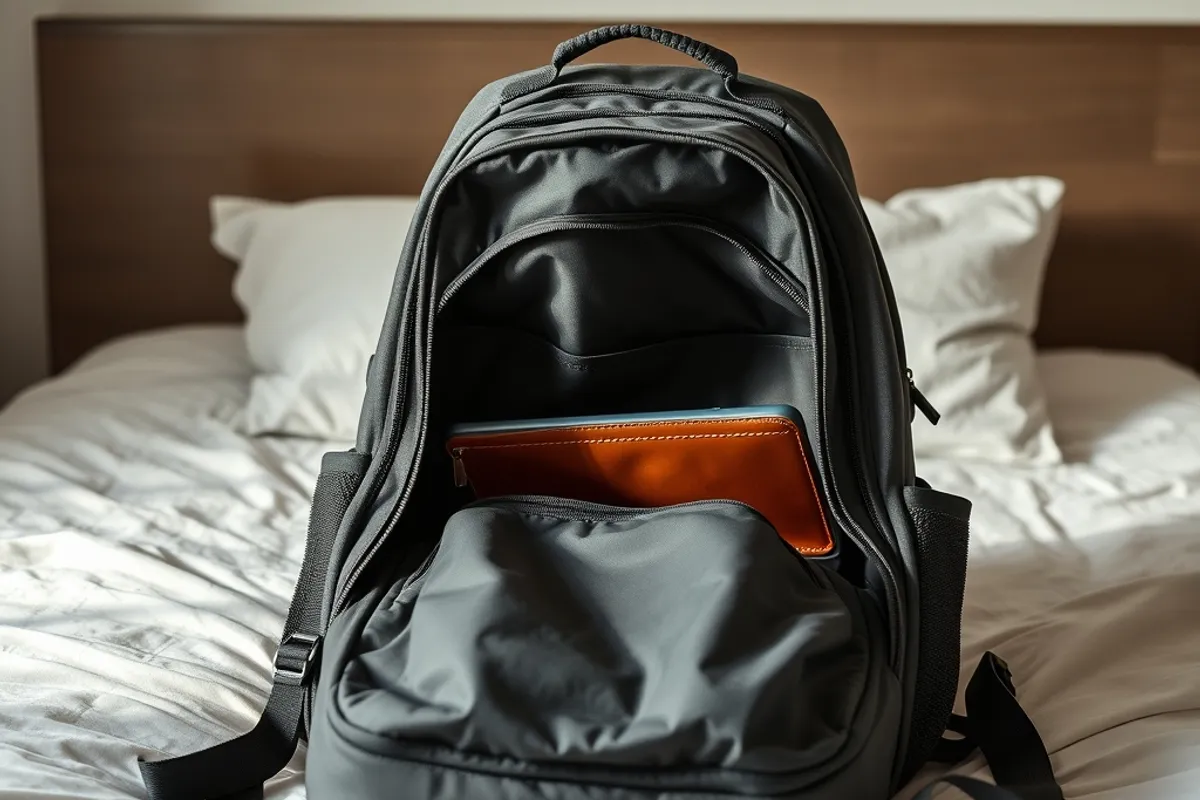
Best budget: Cabin Zero Classic 36
The Cabin Zero Classic 36 costs around 75 euros and weighs less than a kilo. It is a simple rectangular bag with a wide opening, which makes packing easy and squeezing into a sizer predictable. The 36-litre version fits most cabin gauges, including the stricter ones.
There is no real hip belt and the back panel is thin, so it is better for short trips and light loads. The lack of structure is the point: it folds flat when empty and takes up little space in a hotel room. Buy it if price and weight matter more than support.

The best carry-on backpack is the one you can lift into the overhead bin without apologising to the row behind you.
Best for laptops: Aer Travel Pack 3
The Aer Travel Pack 3 is the bag we took to conferences. The laptop compartment is suspended, padded and easy to reach without unpacking the main body. The materials feel durable and the layout keeps cables and chargers apart from clothes.
At 340 euros it is expensive, and the bag is heavier than the Osprey before you put anything in it. The compression straps can get in the way when the bag is full. For a traveller who carries a 16-inch laptop and works on the move, the organisation justifies the weight.
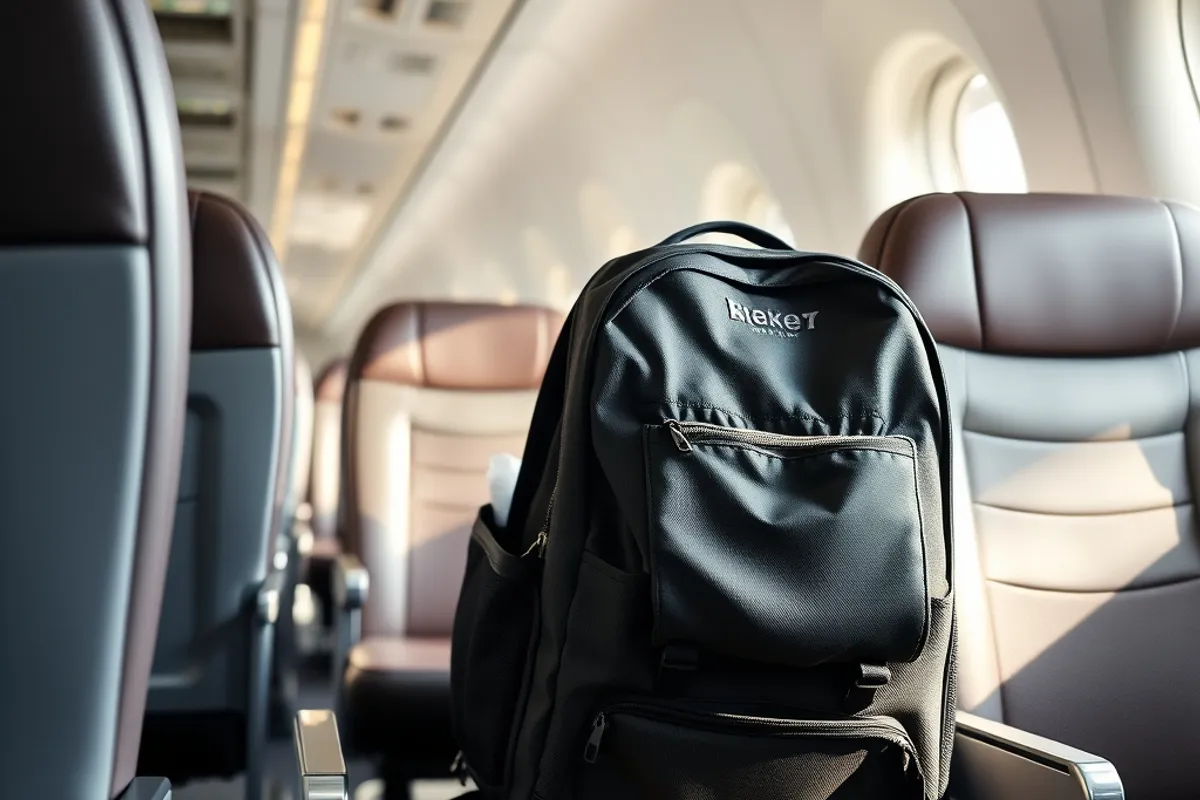
Best for hiking: Deuter Futura Pro 40
Most cabin backpacks are travel bags with straps. The Deuter Futura Pro 40 is a hiking pack that happens to fit the cabin. The suspended mesh back keeps air moving, the hip belt is substantial and the load sits close to your body on a long walk.
It is less convenient in a hotel room because it loads from the top, and the shape is visibly taller than a suitcase-style bag. At around 190 euros it is a fair price for a pack that works on trails and trains. Choose it if your trips include real walking.
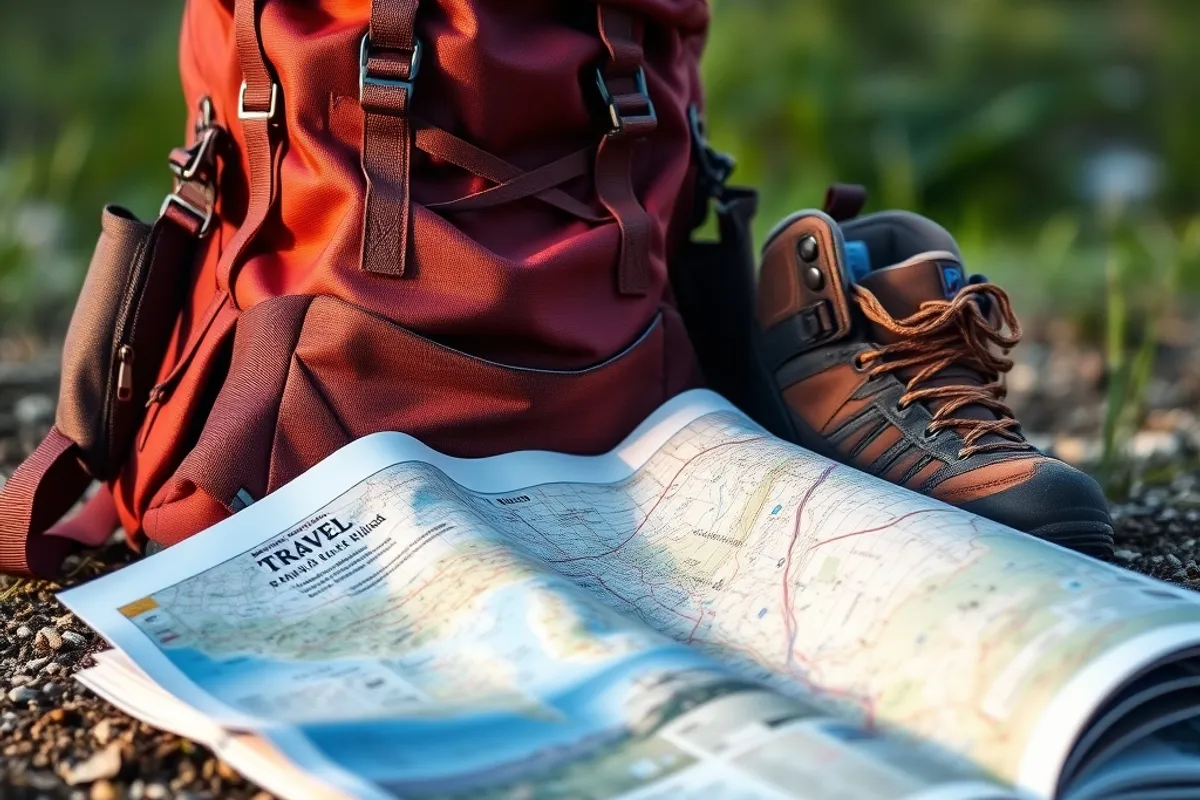
Best for organisation: Peak Design Travel Backpack 45
The Peak Design Travel Backpack 45 is the most flexible bag in the test. Its internal dividers move, the side access works from either shoulder and the bag compresses down when it is half full. The 45-litre size is too big for the strictest cabins when packed full, but it squeezes into the overhead bin on most full-service airlines.
At around 300 euros it is an investment, and the straps take practice to adjust. The reward is a bag that works for a weekend or a month. If you like compartments and hate repacking, it is worth the money.
How we tested these backpacks
We loaded each bag to 8.5 kilograms and carried it through airports, onto trains and across a city for a full day. We measured the packed dimensions, timed the security routine and noted where the harness dug in. Every bag was weighed empty as well.
Cabin rules were checked against airline pages in 2026, not against old blog posts. For security rules that affect what you pack, see the TSA travel guidance. Our budget section has tips on flying with one bag.