Best Island Destinations 2026: Five Trips Worth the Flight
An island trip is easy to get wrong: the flight is long, the ferry is unreliable and the beach photo hides a building site. These eight islands reward the journey without emptying your account.
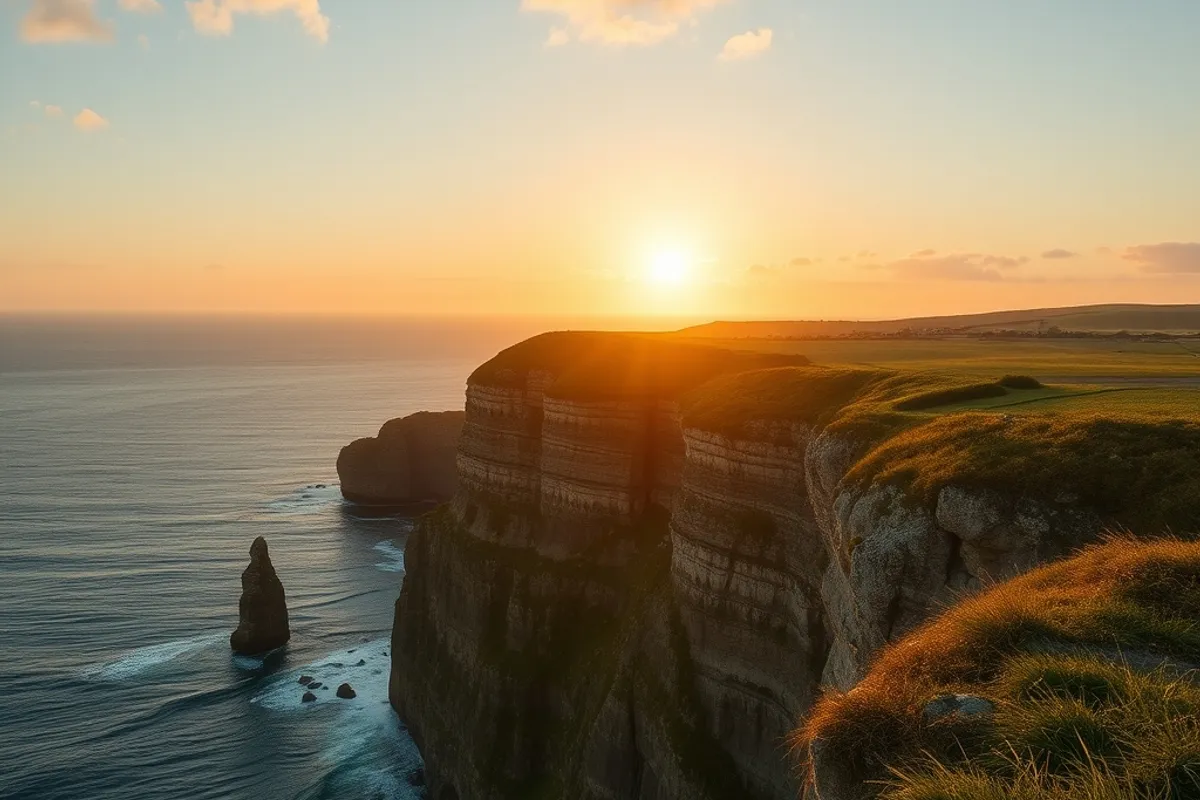
What makes an island trip worth it
An island holiday costs more than a city break before you even book a room. The flight is longer, the ferry is another ticket and everything from water to wifi arrives by boat. That is why the good ones need a reason beyond a photograph.
We look for three things: a coastline you can reach without a car every day, a town that stays alive outside August, and a price that does not collapse when the season ends. Our destination guides explain the trade-offs, and our about page sets out the testing rules.
Madeira, Portugal: the all-year pick
Madeira is the rare island that works in every season. We flew in February for 118 euros return from Lisbon and walked levadas in a light jacket while northern Europe shivered. The south coast is warm enough to swim by April, and the interior stays green all year.
Base yourself in Funchal if you want buses and restaurants, or in Calheta for a quieter coast. Car hire is useful but not essential; the public bus network reaches most trailheads. Budget around 95 euros a night for a good guesthouse and 25 euros a day for food.

São Miguel, Azores: green, wet and unforgettable
São Miguel is the largest Azores island and the one most travellers reach first. We paid 176 euros return from Porto in June and found crater lakes, hot springs and a coastline that changes every few kilometres. The weather is the price: bring a rain jacket even in summer.
Ponta Delgada is the practical base, with buses to Sete Cidades and Furnas. A rental car unlocks the quieter north coast, but book it early in peak season. Rooms averaged 110 euros, and a simple seafood dinner cost 18 to 25 euros.

The best island is not the one with the most famous beach; it is the one where the ferry timetable and your budget agree.
Crete, Greece: big enough for a fortnight
Crete is not a single beach but a small country. We spent nine days moving from Chania to Rethymno and then east towards Sitia, and never ran out of places to stop. The food is the strongest argument: village tavernas still serve lunch for 12 to 16 euros.
May and October are the sweet spot. July and August bring heat and crowds, especially around Elafonissi. Ferries from Athens are slow but cheap; flights from European cities are faster and often no more expensive when booked eight weeks out. Expect 90 to 140 euros a night for a good double.

Sicily, Italy: culture with a coastline
Sicily gives you Greek temples, baroque towns and a coastline without the island premium you pay in the Aeolian group. We based ourselves in Catania and Ortigia, taking trains between them, and paid 12 euros for a three-hour journey that beat airport transfers on both cost and stress.
September was hot but manageable, and the sea stayed warm into October. Street food kept daily spending near 30 euros. Avoid the middle two weeks of August if you dislike traffic and closed shops. Our budget travel section has more on keeping island costs down.
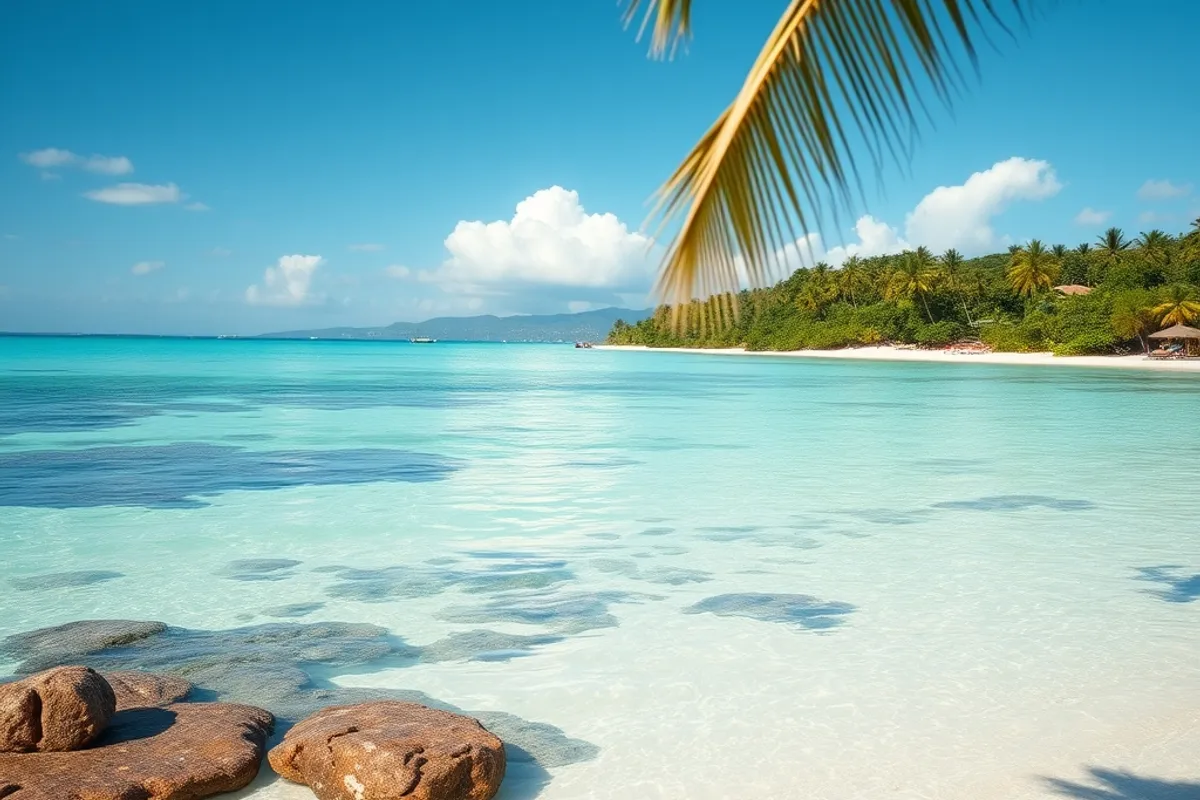
Malta and Gozo: small, easy, car-free
Malta is the easiest island trip on this list. Flights are frequent, English is widely spoken and the bus network reaches almost everywhere. We stayed in Valletta for three nights and on Gozo for four, using the ferry as a foot passenger and leaving the car behind.
Gozo is the quieter half, with swimming spots a short bus ride from Victoria. Spring is ideal: warm enough for the sea, cool enough for walking. A double room cost 85 to 130 euros, and the ferry added 4.65 euros each way. It is the pick for a short first island trip.

How we tested these islands
We paid for every flight, ferry and room ourselves. We recorded the total cost of a seven-night trip, including local transport and one paid activity, then compared it with the same week in a mainland city. We also checked whether the island felt alive outside the peak season.
Figures are cross-checked against UN Tourism arrivals data and our own receipts. If a ferry was cancelled or a trail closed, we say so. Read the method page for the full list of checks.