Best Weekend City Breaks 2026: Five Easy European Trips
A good weekend city break needs three things: a compact centre, a cheap way in and enough to do on a rainy Sunday. These eight European cities delivered in 2026.
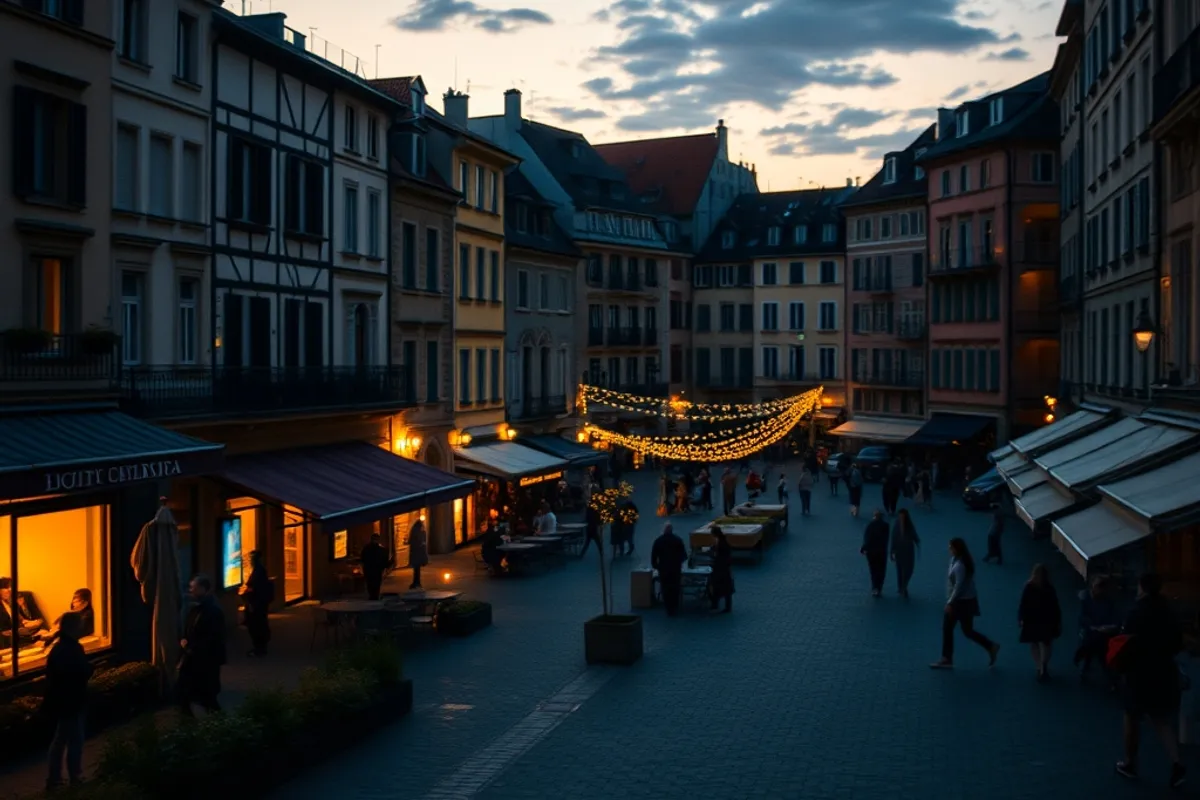
What makes a good weekend city break
Forty-eight hours is short. A city that looks generous on a map can dissolve into tram rides and queueing. We favour places where the station or airport is close to the centre, the old town is walkable and one good neighbourhood can fill an afternoon.
We also count the cost of getting in from the airport. A 6 euro bus is a different proposition from a 45 euro taxi. Our city-break section keeps the numbers honest, and our method page explains how the trips are paid for.
Prague, Czechia: the reliable classic
Prague remains the easiest first weekend abroad for many travellers. The old town is compact, the beer is cheaper than the coffee and the tram network fills the gaps. We paid 112 euros return from Berlin and 96 euros a night for a double near Vinohrady.
Avoid the main square for dinner and walk ten minutes in any direction. The castle side is busy by day but quiet after five. Use the 24-hour transport ticket if you plan more than three rides; it costs less than two single tickets.
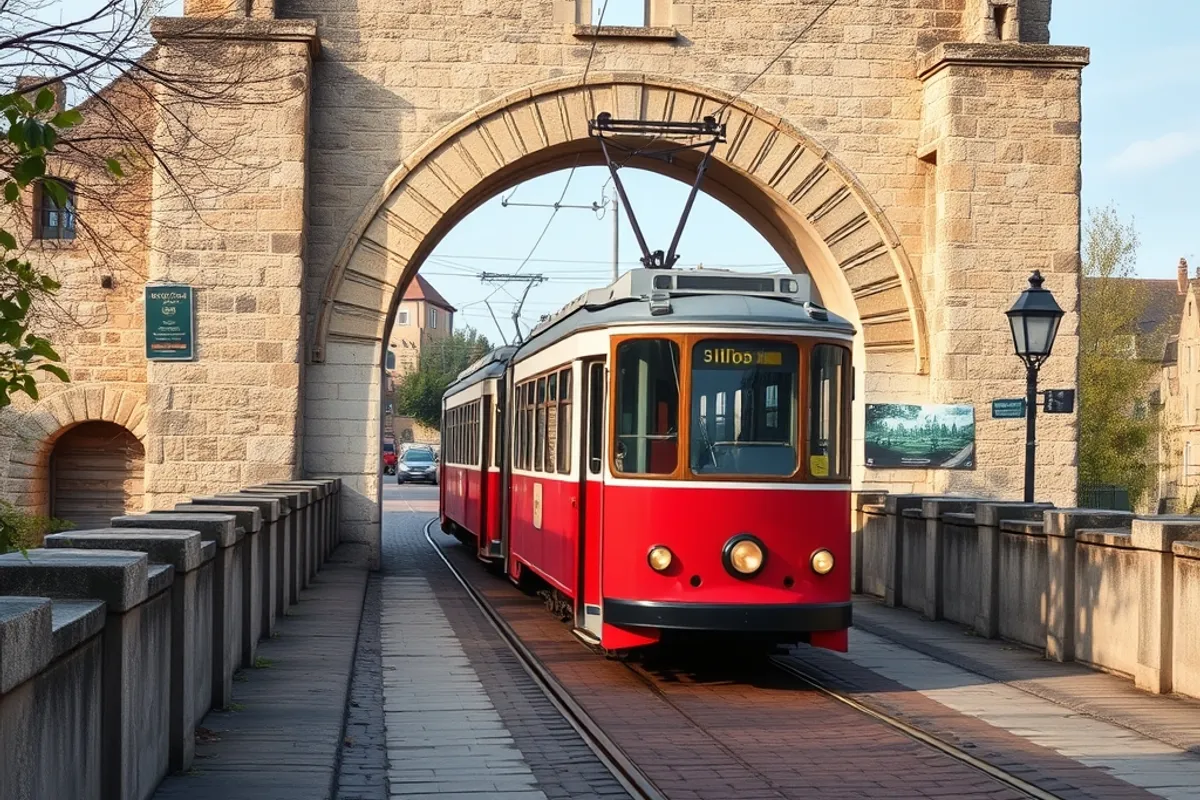
Bologna, Italy: food first, sights second
Bologna is a working university city with a handsome centre and the best food value in northern Italy. We flew in for 84 euros return and paid 128 euros a night for a small hotel inside the walls. The porticoes make rainy weekends bearable.
Book one dinner properly and eat the rest at markets and osterias. The train to Florence takes 37 minutes, but resist the day trip: Bologna deserves the full two days. Aperitivo culture keeps early evening cheap if you choose the right bar.
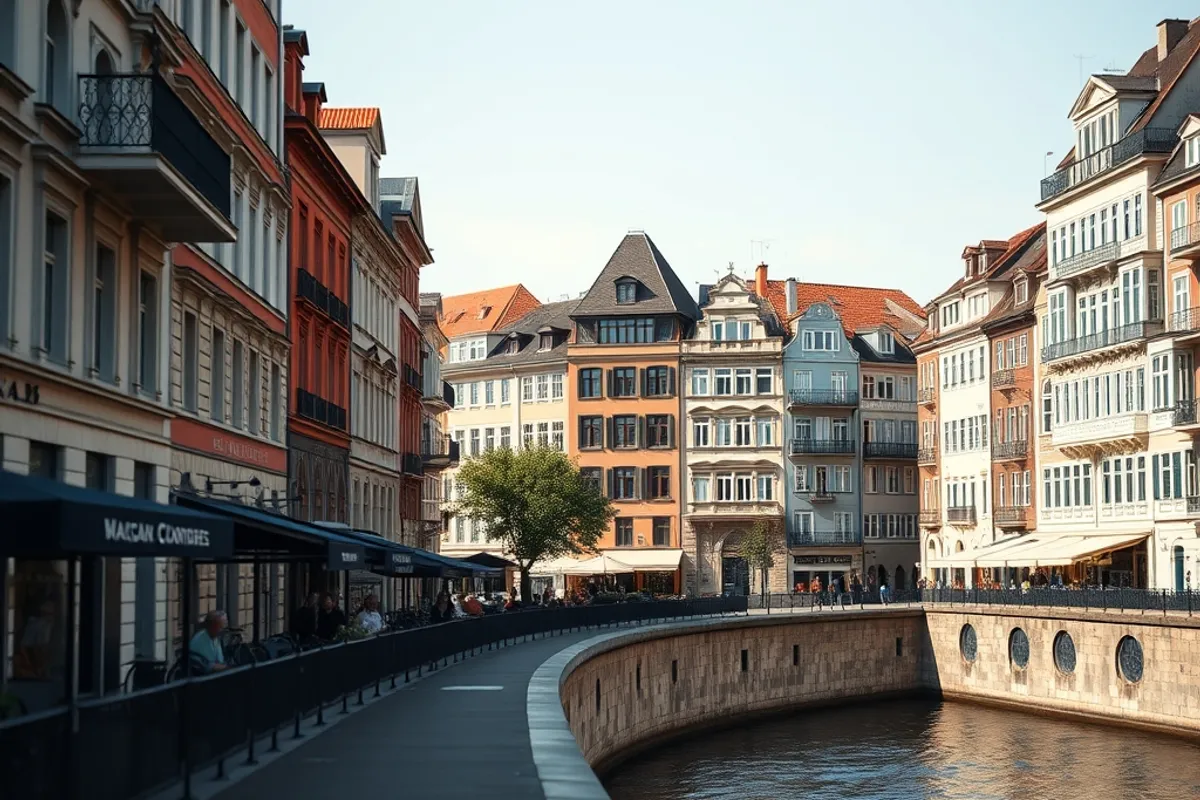
The best weekend city is not the one with the longest list of sights; it is the one you can walk across before lunch.
Valencia, Spain: sun without the Barcelona price
Valencia has the old town, the beach and the science park, all connected by a flat, walkable centre. We paid 72 euros return from Madrid and 105 euros a night in Ruzafa. In March the light was already generous.
Breakfast at the market, lunch near the beach and dinner in Ruzafa is a sensible rhythm. The metro from the airport costs under 5 euros. If you have only one full day, choose the old town over the beach; the sea is a tram ride away and the centre is the reason to come.
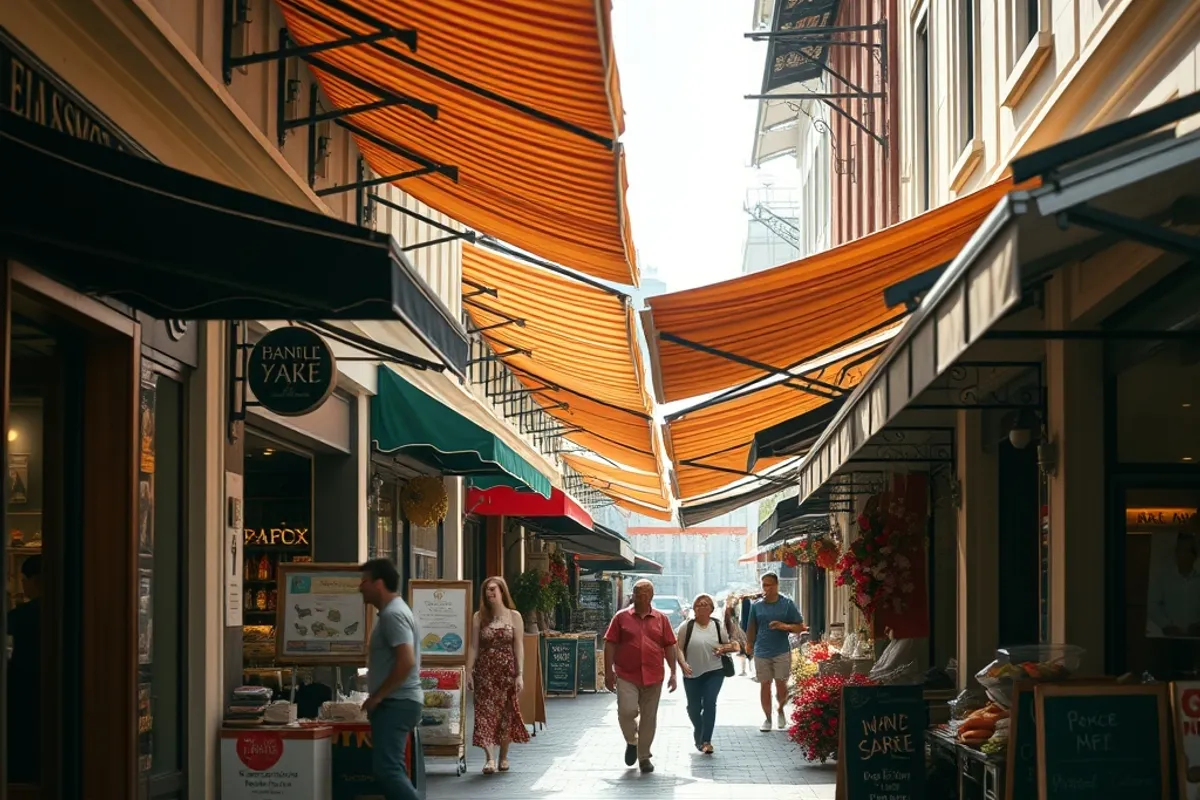
Gdańsk, Poland: history by the water
Gdańsk rebuilt its old town with care, and the result is a compact waterfront city that is easy to like in any weather. We paid 58 euros return from Warsaw and 82 euros a night for a double near the river.
The Solidarity museum deserves three hours, not one. The tram to the beach at Brzeźno is quick and cheap in summer. Eat pierogi at a plain milk bar rather than a themed restaurant, and leave room for the amber market on the long waterfront.
Ljubljana, Slovenia: small, green and calm
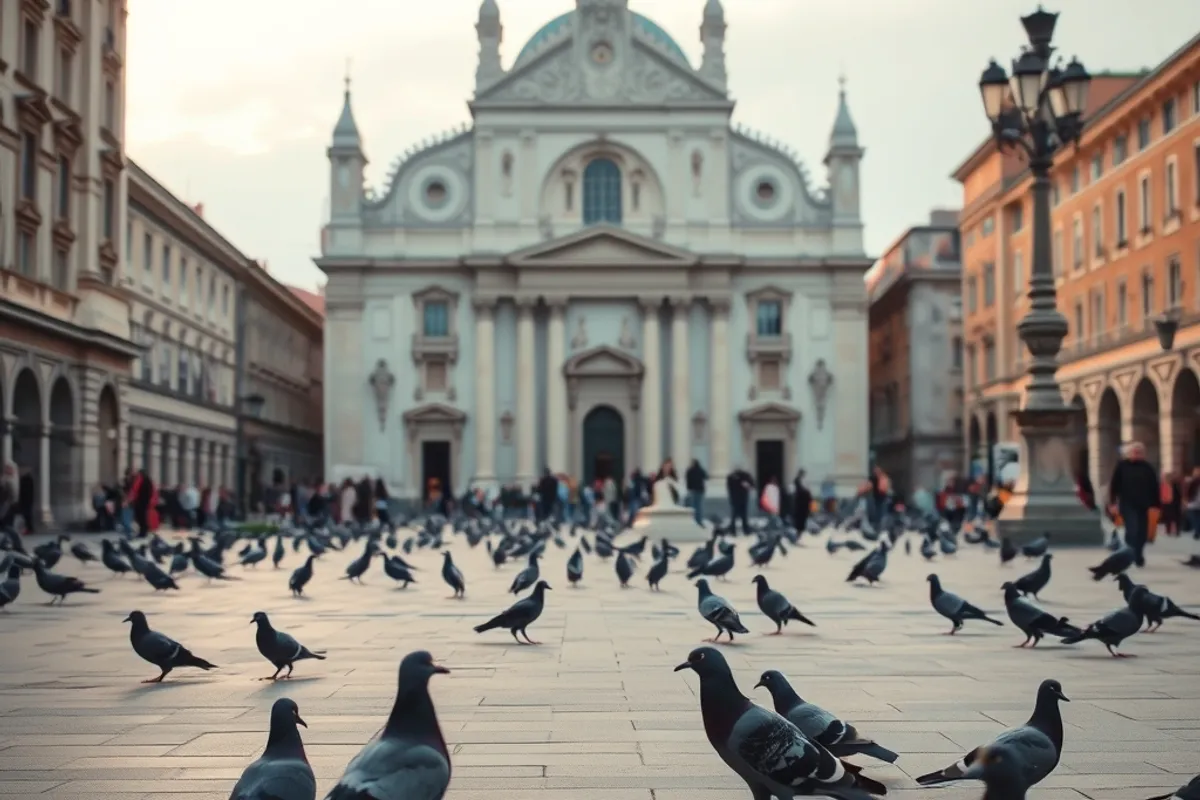
Ljubljana is the rare capital you can cross in twenty minutes. The riverfront is car-free, the castle is a short climb and the buses run on time. We paid 96 euros return from Vienna and 115 euros a night for a central double.
Use the city as a base for a half-day trip to Lake Bled only if you have three nights. With two, stay local: the market, the riverside cafés and the castle fill a weekend without rushing. Breakfast is often included, which helps the budget.
How we tested these city breaks
We took each trip ourselves, booked two nights and paid the final bill. We timed the airport transfer, walked the main sights and ate at least one meal in a residential neighbourhood. The totals above include transport in the city but not shopping or gifts.
Prices were checked against UN Tourism season data and our own receipts. Our budget travel guides explain how to trim each line further.