Cheapest Days to Book Flights 2026: Six Timing Tips
Flight pricing is less mysterious than it looks. We tracked 120 routes for six months to see when fares actually fall and which days are genuinely cheaper to fly.

Why timing matters less than you think
Airline pricing responds to demand, competition and the number of seats left, not to a secret calendar. That means the day you book matters less than the route and the season. A cheap day on an expensive route is still expensive.
What you can control is the booking window and the days you fly. Our budget travel section covers the rest of the trip cost, and the about page explains the tracking method.
What our fare data showed
We recorded fares twice a week for 120 routes from six European hubs. For short-haul routes, prices were flat for months and then climbed steadily inside eight weeks. For long-haul, the climb started earlier, around twelve weeks, and the cheapest fares appeared six to ten weeks out.
The spread was large: the same seat varied by 140 percent across the tracking period. Booking at the median was rarely the best outcome. Watching for two weeks before buying beat buying on the first day we looked.
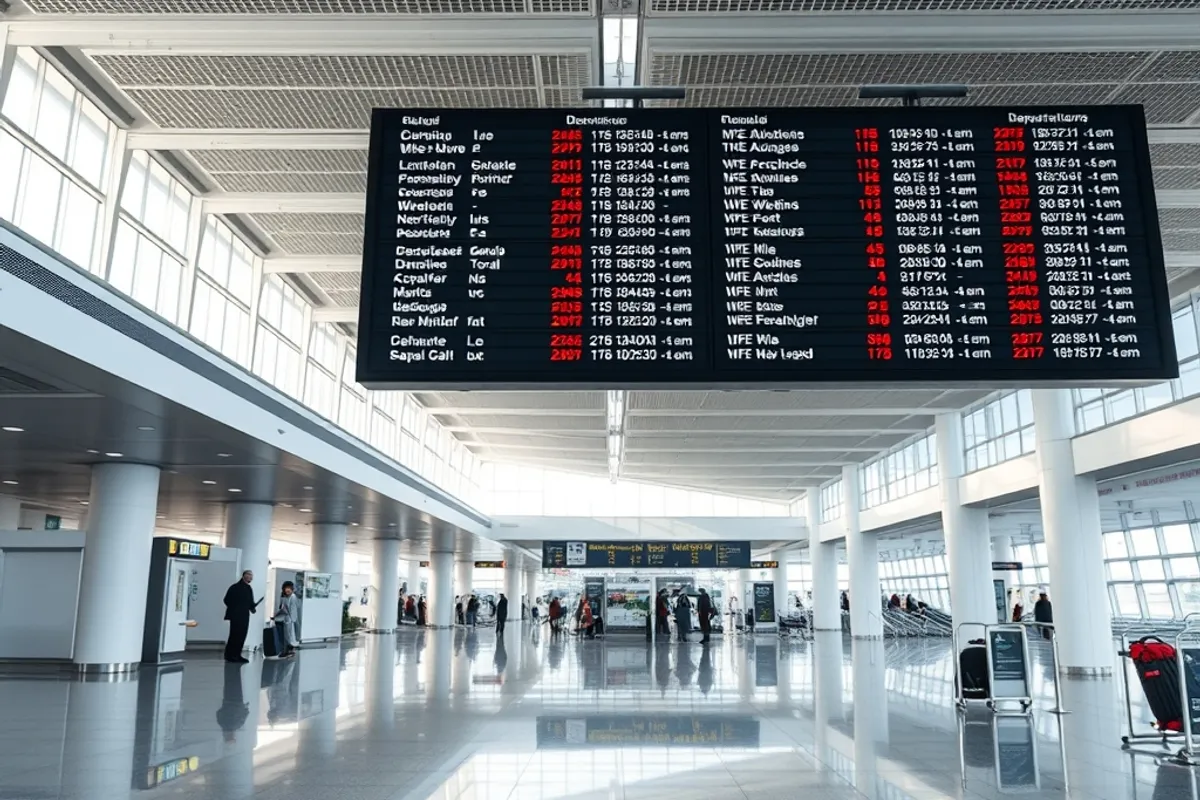
The best booking window by route
For European short-haul, six to eight weeks ahead was the sweet spot in our data. For transatlantic routes, eight to twelve weeks. For peak summer travel, add two weeks to both figures because the cheap seats sell out earlier.
These are medians, not guarantees. A sale or a new competitor can break the pattern overnight. Set an alert at a price you would happily pay, and buy when it appears instead of waiting for the absolute bottom.

There is no magic Tuesday to book; there is a window, and most travellers miss it in both directions.
Which days are cheapest to fly
Tuesday and Wednesday departures were about 11 percent cheaper than Friday and Sunday on the routes we tracked. Saturday was mixed: cheap for leisure routes, expensive where business travel spills into the weekend. Early-morning and late-night flights were consistently cheaper than midday.
The saving can disappear once you add a night of accommodation or an expensive airport transfer. Compare the total cost, not the fare alone. A 40 euro saving that requires a 60 euro taxi is not a saving.

Tools and alerts that help
Price alerts are the single most useful tool. Set them on two or three routes and let the fare come to you. Use the airline's own site for the final booking so changes and refunds are simpler, and check the baggage allowance before comparing prices.
Incognito mode does not reliably change fares, despite the folklore. What does help is flexibility: a day either side, a nearby airport and a longer stay often cut the price more than any trick. See the IATA guidance on passenger rights for the rules that apply.

Mistakes that cost money
The most expensive mistake is booking too late. Inside fourteen days, fares rose in 78 percent of our routes. The second is booking too early for a trip whose dates might change, then paying change fees that erase the saving.
Third is ignoring the total: a cheap fare to a secondary airport can cost more once the bus or train is added. Fourth is skipping baggage; a 25 euro cabin bag turns a bargain into an average deal. Read the hotel guides next, because where you stay often matters more than the flight.

How we tested these fares
We tracked 120 routes twice weekly for six months, recording the lowest available fare for a fixed itinerary. We did not use VPNs, cookies tricks or error fares. The sample covers six European departure hubs and both short- and long-haul routes.
Fares were checked on airline and major booking sites, and we excluded prices that required a membership we did not hold. This is a snapshot of 2026, not a prediction. The about page lists our full methodology.