Europe on a Budget 2026: Six Ways to Spend Less
Two weeks in Europe does not have to cost a month of rent. We built a realistic budget from receipts, not from wishful blog maths, and found where the savings actually are.
The real cost of a two-week trip
Most budget guides quote a daily figure without saying what it includes. Ours covers a bed, three meals, local transport, one paid attraction a day and a realistic allowance for the odd coffee or museum. It does not include flights from outside Europe or shopping.
For two weeks across four countries we spent 1,840 euros each. That is not the absolute minimum, but it is a trip that still felt like a holiday. Our destination guides show where each stop fits, and the about page explains how the receipts were kept.
Transport: the line that decides the budget
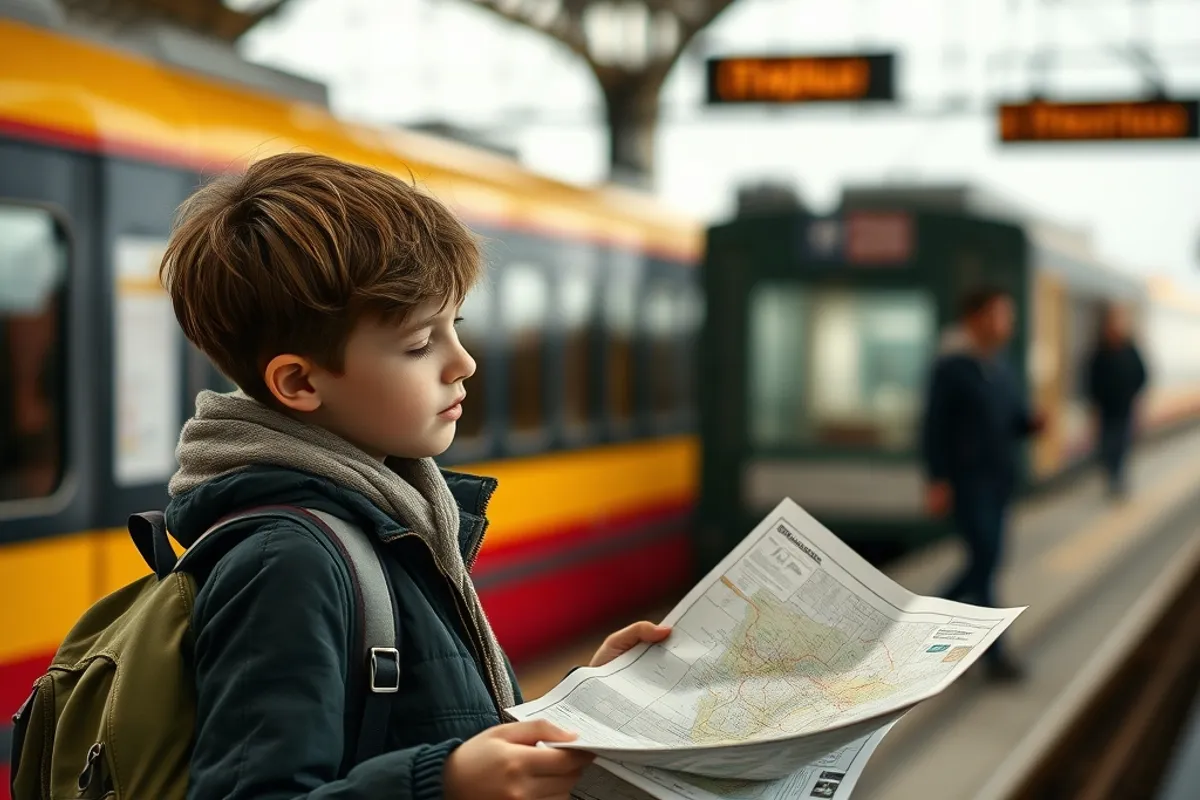
Transport is where budgets quietly break. A last-minute train can cost more than a night in a hotel. We booked long-distance legs six to eight weeks ahead and used buses for the shorter hops where the train price doubled for twenty minutes of saved time.
Rail passes are only worth it if you travel often and flexibly. For four countries in two weeks, point-to-point tickets were cheaper for us. Regional trains and flix-style buses filled the gaps. Always compare the total door-to-door time, not just the ticket price.
Accommodation: pay for location, not extras
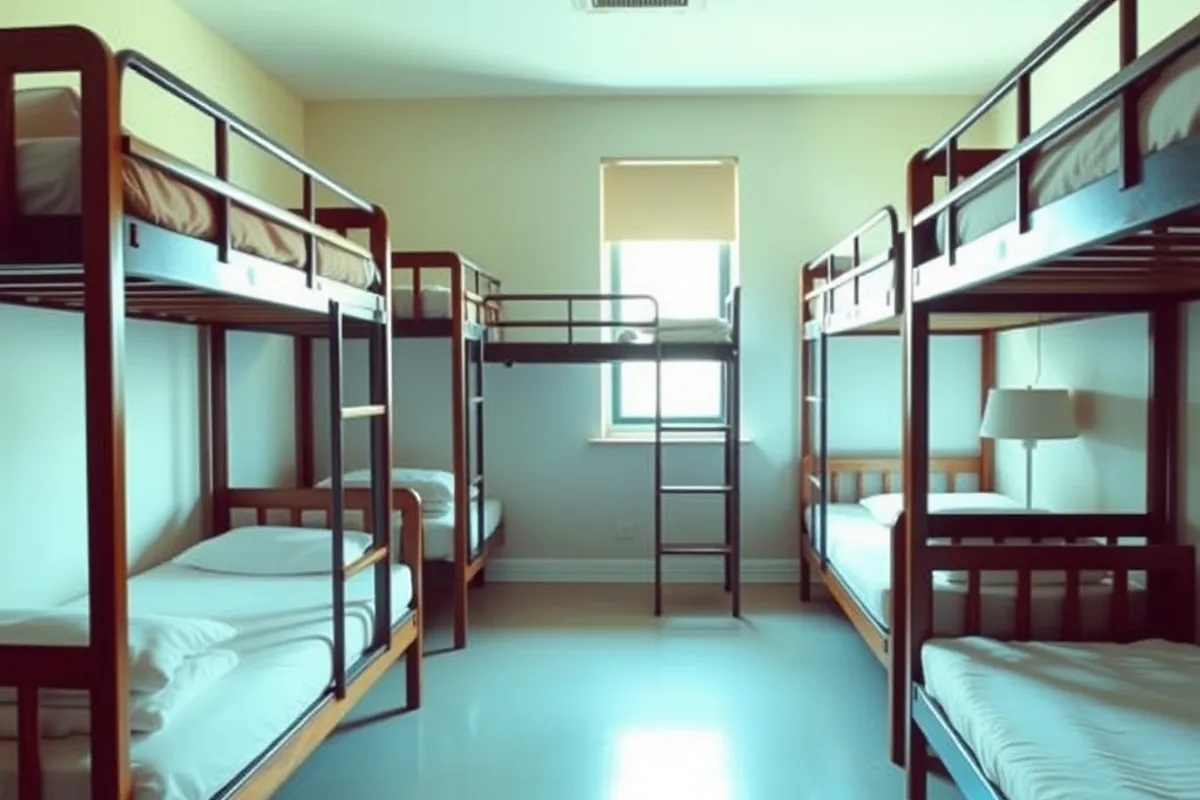
We averaged 58 euros a night by mixing guesthouses, hostels with private rooms and one apartment. The pattern was consistent: a simple room in a walkable neighbourhood beat a nicer room on a transport fringe. Breakfast was rarely worth the hotel price.
Book direct when the property has its own site; it sometimes saves the platform fee and makes changes easier. Read the cancellation terms before you pay. In peak season, a flexible rate is worth the premium if your plans are still moving.
A budget trip is not about spending less on everything; it is about spending deliberately on the things you will remember.
Food: markets, lunch menus and one good dinner
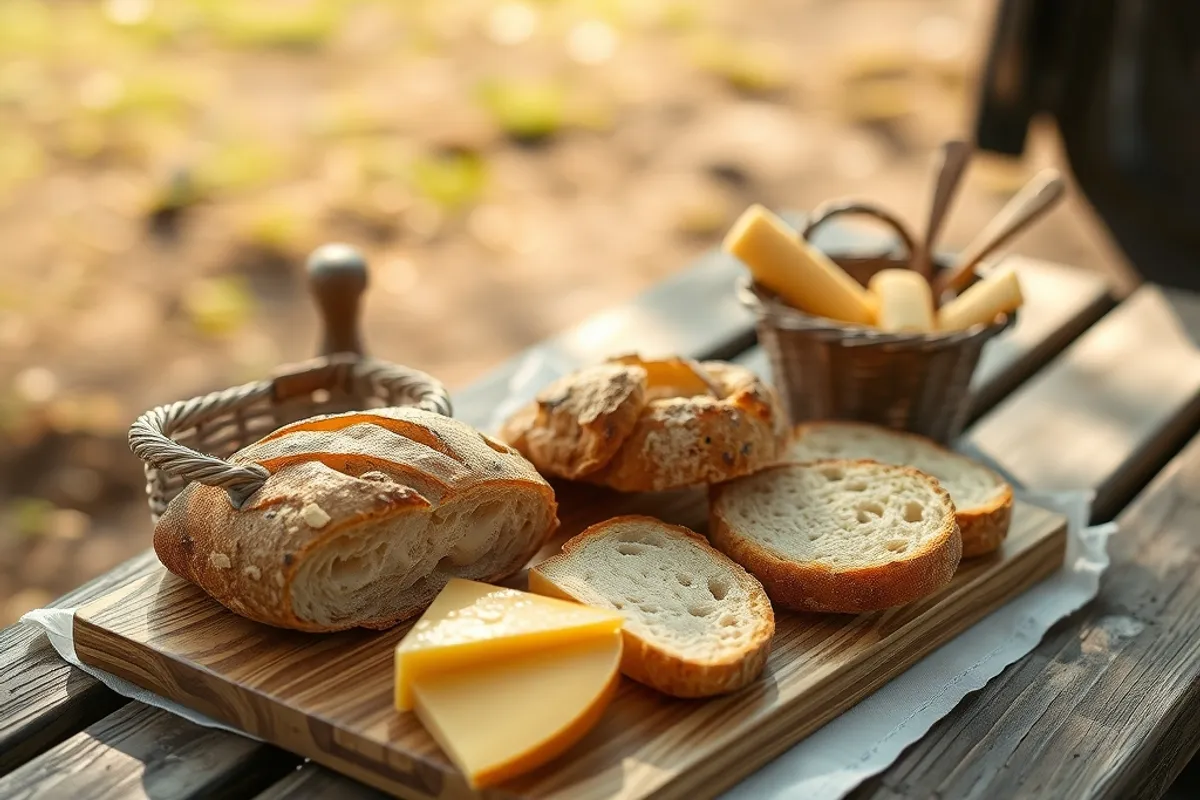
Eating well on a budget is a rhythm, not a sacrifice. We bought fruit and bread at markets for breakfast, ate the main meal at lunch when restaurants offer a fixed menu, and cooked or picnicked in the evening two or three times a week. That kept the daily average near 31 euros.
The one dinner we booked properly each week cost 35 to 50 euros for two and was worth it. Avoid the restaurant on the main square; walk two streets back and the price drops without the quality following. Tap water is free and safe in most of Europe.
Cities where the money goes further
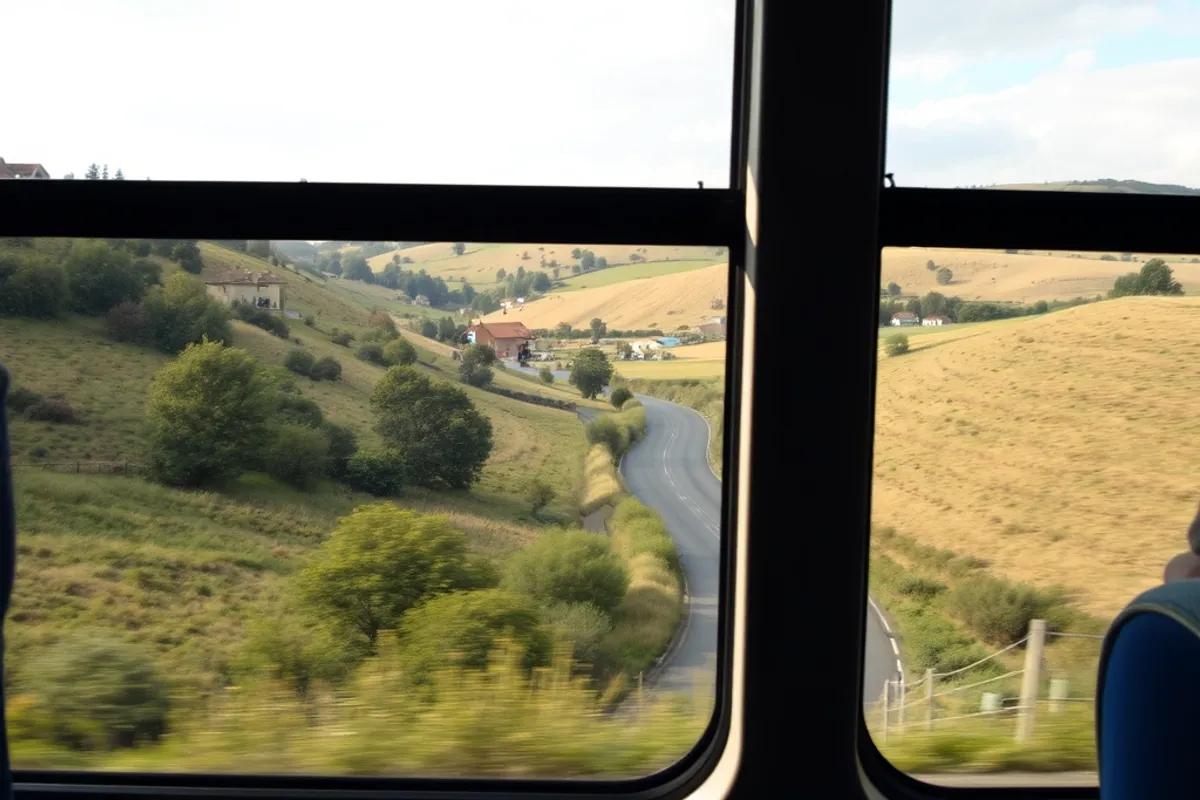
Some cities simply stretch a budget. Porto, Gdańsk, Bologna and Valencia gave us more for the same money than Paris or Amsterdam. The difference was not just prices; it was the size of the walkable centre and the availability of cheap, good food.
That does not mean avoiding expensive cities. It means shortening the stay there and spending the saved days somewhere cheaper. Two nights in a costly capital plus four in a smaller city often beats six nights split evenly.

A sample two-week budget
Our route was Porto, Valencia, Bologna and Ljubljana, with buses and trains between them. Transport came to 515 euros, accommodation 812, food 434, attractions and local transport 79. The total was 1,840 euros, including a small buffer for mistakes.
Your numbers will differ with the season and your appetite for museums. Build the buffer anyway; a missed connection or a rainy day can add 40 euros without warning. More line-by-line advice sits in our gear section and hotel guides.

How we tested this budget
We recorded every payment for fourteen days, including small cash purchases, and reconciled the total at the end. Prices were checked against UN Tourism season data and current transport timetables. Where a cost was an estimate, we labelled it.
This is one route, not a universal rule. Use it as a template, then adjust for your own pace and priorities. The about page explains how we handle free stays and discounts, which we did not use here.