Hidden Coastal Towns in Europe: Five Quiet Seaside Gems
Europe has plenty of famous coastlines and plenty of quiet ones. These eight small seaside towns offer the same water and better value, if you are willing to take the slower road.
Why go beyond the famous coast
The classic coastal towns are famous for a reason, but fame has a price: packed car parks, minimum-stay rules and a restaurant menu that assumes you will not return. Smaller towns often offer the same sea, a shorter walk and a room that costs a third less.
The trade-off is convenience. Buses run less often, some beaches need a walk and the best bakery may close on Mondays. We chose towns where that friction stays manageable without a car, and we name the exceptions. Start with our destination section for the wider picture.
Cadaqués, Spain: white walls and a working harbour
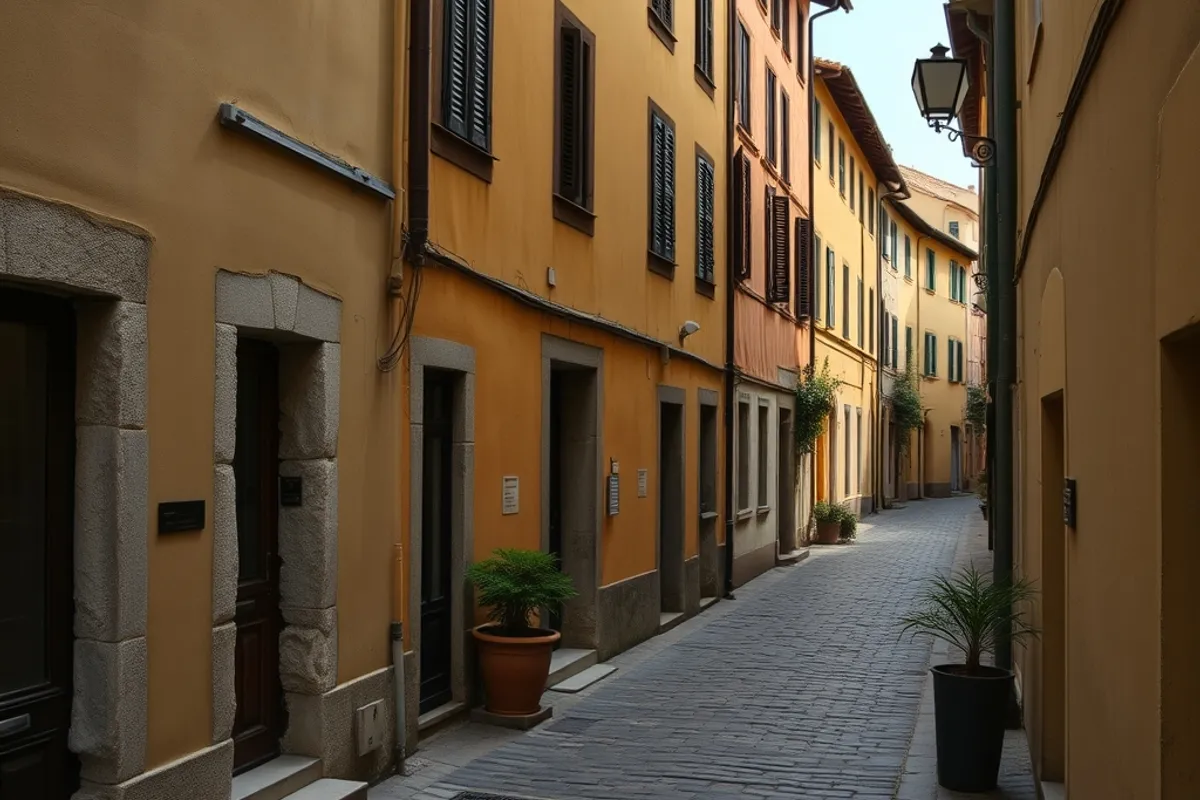
Cadaqués sits at the end of a winding road on the Cap de Creus peninsula. The whitewashed lanes are busy by day, but the evening crowd thins once the day-trippers leave. We paid 118 euros for a small double in June and ate better at the harbour than on the main square.
Park outside town and walk in; the streets were not built for modern cars. The coastal path towards Portlligat is the best free activity, and the bus to Figueres connects with the train network. Bring cash for the smaller bakeries.
Ericeira, Portugal: surf, cliffs and cheap lunches
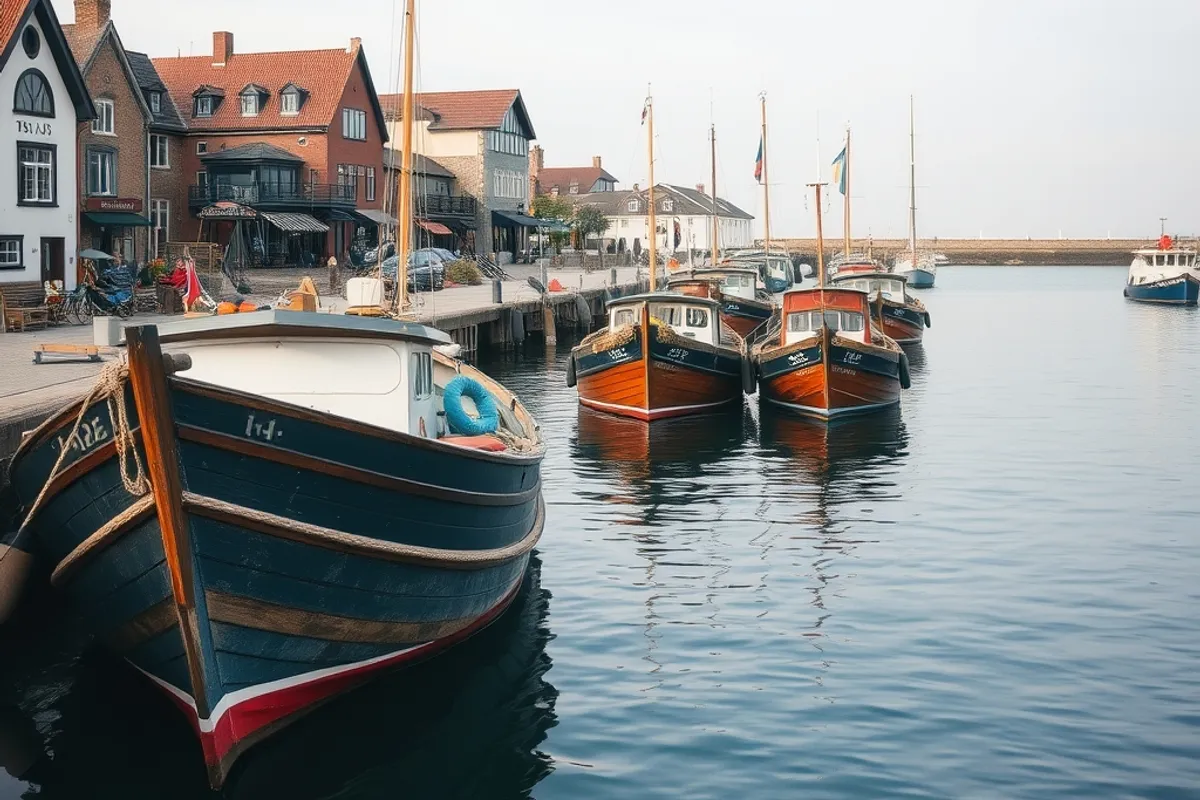
Ericeira is a surf town that has kept its working centre. The waves are the main draw, but non-surfers will find cliff walks, a tidy old town and a daily market. We paid 92 euros a night in May, a month before the summer rates arrive.
Lisbon is an hour away by bus, which makes this a practical base for a longer trip. The town is small enough to cross on foot, and the coastal path north towards Mafra is easy to follow. Expect 10 to 14 euros for a proper lunch.
The quiet coast is not a secret to protect; it is a place to visit slowly and leave as you found it.
Cassis, France: calanques without the crowds
Cassis is not unknown, but it feels quieter than the Riviera towns further east. The calanques are the reason to come: limestone inlets with clear water, reached by boat or a serious walk. We took the boat in the morning and walked back in the afternoon.
Prices are French, not Portuguese. A simple double cost 145 euros in September and dinner started at 22 euros. The reward is a compact town, a good market and train access to Marseille. Book the boat ahead in summer and carry water for the walk.
Cefalù, Sicily: a beach beside a Norman cathedral
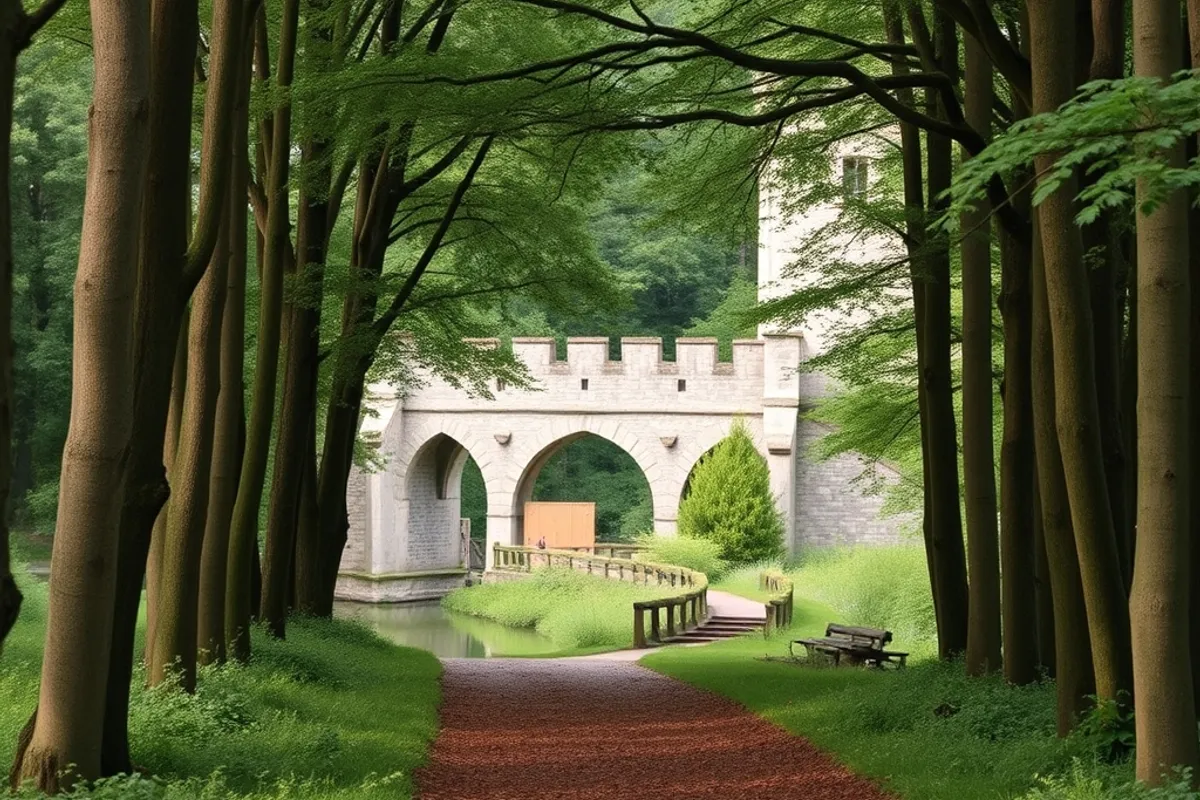
Cefalù packs a lot into a small grid: a sandy beach, a Norman cathedral and a rocky headland you can climb for the view. We visited in late September, when the sea was still warm and the streets were walkable. A double cost 105 euros.
Trains connect Cefalù with Palermo in under an hour, so a car is unnecessary. Eat away from the seafront for better value, and climb the Rocca early before the heat. The town is a good base for the Madonie mountains if you want a break from the beach.
Rovinj, Croatia: stone lanes and a car-free centre
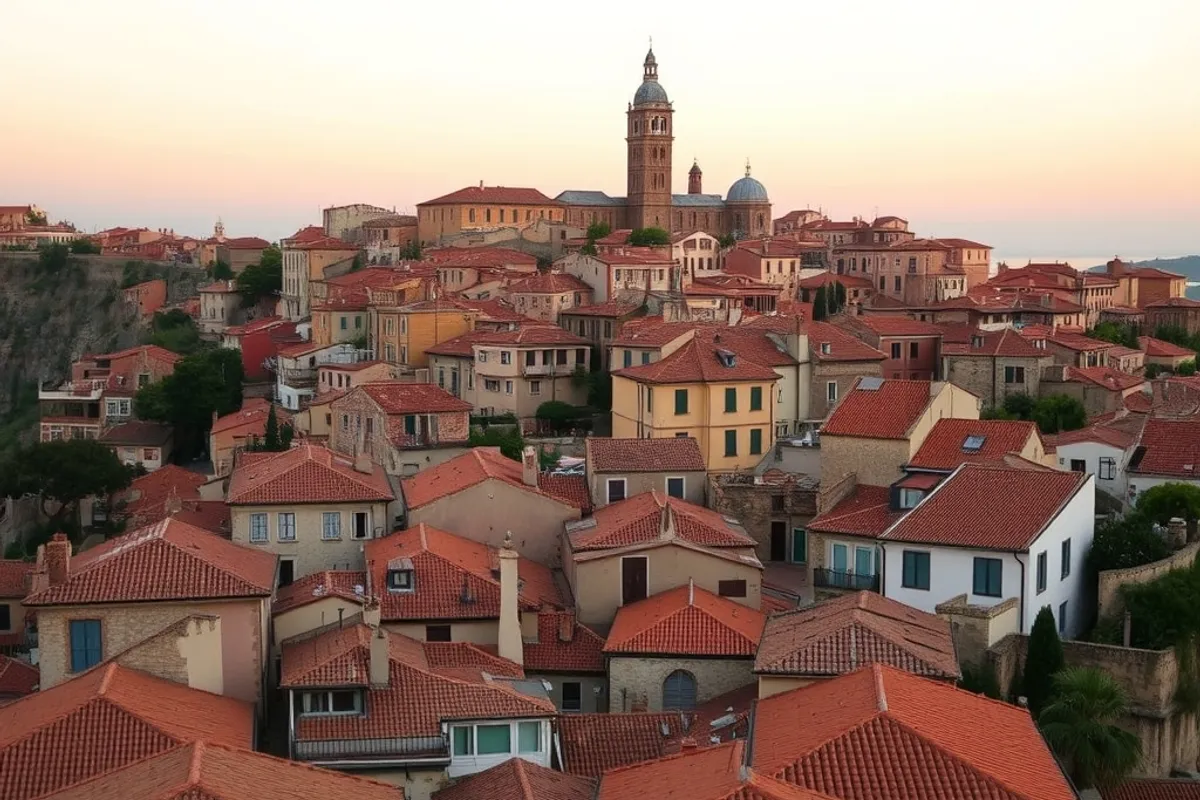
Rovinj's old town rises straight from the sea, and the lanes are too narrow for cars. That makes the centre unusually peaceful. We paid 132 euros a night in June, which is high for the region but fair for a room inside the pedestrian zone.
Buses along the Istrian coast are limited, so pick a base carefully. The town works best for a short stay: swim off the rocks, eat at a konoba and take a boat to the islands. August is crowded; May and October are gentler.
How we tested these coastal towns
We visited each town outside the July and August peak, stayed at least two nights and paid the published rate. We recorded the final bill, the bus or train connections and the walk from the station to the room. We also checked whether the town felt alive on a weekday, not just at the weekend.
Where a car was genuinely needed, we say so. Where it was not, we used public transport. Our figures are checked against UN Tourism data and our receipts; the about page explains the rest.