




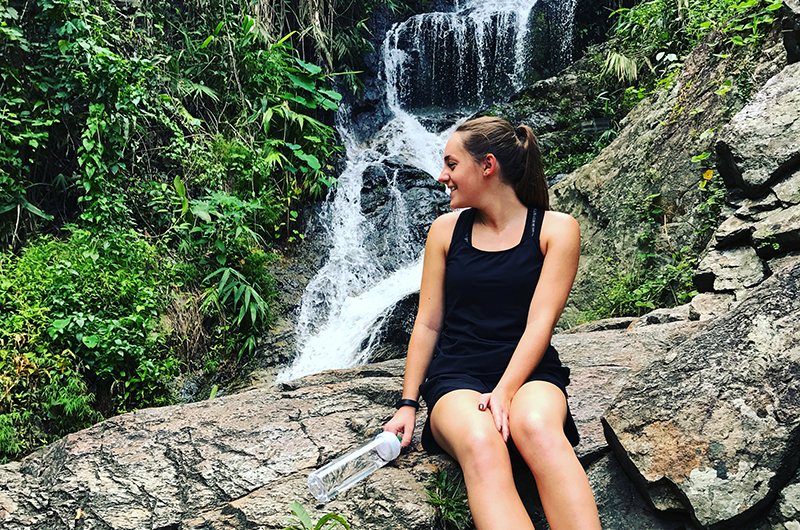
Preparing for Independent Exploration
Embarking on a solitary adventure requires careful planning and deliberate preparation. The Solo Unknown Essentials encompass the gear, strategies, and mindset needed to navigate unfamiliar territories safely and confidently. Traveling alone amplifies both the freedom and responsibility of exploration. Every decision, from route selection to daily routines, directly impacts personal safety and the overall experience, making preparation indispensable.

Choosing the Right Destinations
Selecting destinations suitable for solo travelers is crucial. Remote regions and secluded areas provide unique experiences but demand awareness of potential risks. Prioritize locations with accessible emergency services, reliable transportation, and a supportive local community. Understanding the cultural and social environment enhances both safety and enjoyment, allowing for meaningful interactions without compromising independence.
Essential Gear for Solo Travelers
Traveling alone requires multifunctional and reliable equipment. Durable footwear, versatile clothing layers, and weather-appropriate gear protect against environmental unpredictability. Navigation tools, including maps, GPS devices, and compasses, are essential for maintaining orientation. First-aid kits, portable water filters, and compact shelter provide security in unexpected situations. Choosing lightweight, efficient gear ensures mobility without sacrificing preparedness.
Safety and Emergency Planning
Solo travel necessitates meticulous safety measures. Establishing communication protocols, sharing itineraries with trusted contacts, and carrying signaling devices create a safety net. Awareness of nearby medical facilities, emergency exits, and contingency plans enhances confidence in remote settings. Preparedness allows travelers to respond effectively to challenges while minimizing anxiety and risk.
Health and Physical Readiness
Maintaining physical and mental wellness is critical for independent journeys. Fitness tailored to terrain demands, adequate hydration, and balanced nutrition sustain energy and focus. Mental resilience, including adaptability and calm decision-making, supports problem-solving in unpredictable scenarios. Prioritizing personal well-being ensures sustained engagement and enjoyment throughout the adventure.
Navigational Skills and Route Planning
Mastering navigation is vital for solo exploration. Combining digital tools with traditional methods, such as topographical maps and natural landmark observation, strengthens reliability. Understanding route options, alternative paths, and potential hazards enables proactive decision-making. Effective navigation reduces stress, prevents disorientation, and allows solo travelers to explore confidently.
Engaging with Local Communities
Interaction with locals enhances both safety and cultural enrichment. Seeking guidance from community members, local guides, and fellow travelers provides real-time insights and recommendations. Respectful engagement fosters trust and access to experiences that might remain hidden to conventional tourists. These connections enrich the journey while reinforcing a secure and supportive environment.
Mindfulness and Situational Awareness
Solo travelers benefit from heightened attentiveness to surroundings and personal behavior. Mindfulness encourages observation of environmental cues, social dynamics, and personal well-being. Maintaining situational awareness reduces vulnerability to accidents or unsafe encounters. Integrating awareness into daily travel routines ensures both safety and deeper appreciation of the journey.
Flexibility and Adaptability
Unexpected changes are inherent to solo exploration. Embracing flexibility allows travelers to adapt plans, overcome obstacles, and discover unplanned opportunities. An adaptive mindset transforms disruptions into moments of growth and learning. Flexibility ensures that the adventure remains fluid, enjoyable, and safe, even when conditions deviate from the original plan.
Conclusion
Solo travel into unknown territories combines preparation, mindfulness, and adaptability. Careful selection of destinations, essential gear, safety planning, health maintenance, and local engagement create a secure foundation for independent exploration. Embracing flexibility and attentiveness enhances both personal safety and the richness of the journey, allowing solo travelers to experience uncharted environments with confidence and fulfillment.
More Stories
Planning Your Next Journey Into Unknown Effectively
Journey Into Unknown: Mindset Tips for Fearless Travel
Journey Into Unknown: Destinations Off the Beaten Path