


The Allure of Secluded Territories
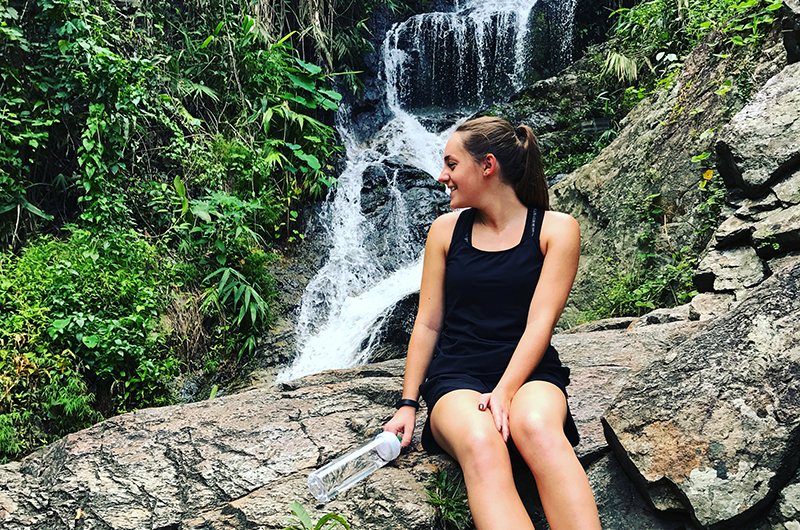
Traveling to destinations that few have ventured into embodies the spirit of true adventure. The Remote Unknown Exploration invites travelers to uncover landscapes and cultures largely untouched by mainstream tourism. These hidden locations offer serenity, challenge, and unparalleled authenticity. Beyond the thrill of discovery, they provide opportunities to observe traditions, ecosystems, and environments in their most unaltered forms, creating experiences that linger long after the journey ends.

Identifying Hidden Gems
Finding remote and concealed locations requires diligent research and curiosity. Local insights, historical accounts, and niche travel guides often reveal destinations overlooked by conventional travelers. Digital mapping tools combined with anecdotal reports can pinpoint trails, secluded beaches, and villages tucked away in mountains or dense forests. Exploring these hidden gems demands patience and a willingness to navigate beyond well-marked paths.
Essential Preparations for Remote Travel
Venturing into isolated areas necessitates thorough preparation. Comprehensive planning includes route mapping, understanding weather patterns, and assessing the availability of resources such as water, food, and medical support. Travelers must equip themselves with durable gear, navigation devices, and emergency supplies. Preparation transforms potential vulnerability into confidence, allowing the journey to remain exhilarating without compromising safety.
Navigational Strategies
Navigating hidden terrains often requires a combination of traditional and modern methods. Maps, compass skills, and GPS devices complement local knowledge and observation of natural landmarks. Being able to interpret terrain, anticipate obstacles, and adapt routes enhances both safety and efficiency. Strategic navigation enables travelers to immerse themselves fully in the environment while minimizing risk of disorientation.
Cultural Encounters Off the Beaten Path
Remote locations provide unique opportunities for genuine cultural interaction. Small communities often maintain traditions untouched by commercial influences. Participating in local rituals, crafts, and festivals offers insight into lifestyles seldom experienced by typical tourists. Respectful engagement fosters meaningful exchanges, creating lasting memories and understanding that extend beyond superficial observation.
Environmental Awareness and Preservation
Traveling through secluded areas requires conscious effort to minimize environmental impact. Adopting sustainable practices, such as leaving no trace, respecting wildlife, and limiting resource consumption, preserves the integrity of these pristine environments. Responsible exploration ensures that these hidden landscapes remain accessible and unspoiled for future travelers and local communities alike.
Health and Physical Preparedness
Remote journeys demand both physical and mental endurance. Fitness tailored to challenging terrains, hydration management, and nutritious provisions are essential. Equally important is mental resilience, which allows travelers to adapt to isolation, unexpected conditions, and logistical complexities. Preparedness strengthens confidence, enabling travelers to navigate remote settings safely and enjoyably.
Capturing the Essence of Seclusion
Documenting experiences in hidden locations provides both personal reflection and future storytelling. Photography, journaling, and sketching capture landscapes, encounters, and emotional responses. Engaging multiple senses during documentation enhances the depth of memory. Thoughtful recording allows travelers to preserve the authenticity and uniqueness of these secluded adventures.
Embracing Flexibility and Discovery
Remote and hidden destinations are inherently unpredictable. Weather shifts, trail conditions, and local circumstances often require rapid adaptation. Embracing flexibility allows travelers to convert potential disruptions into opportunities for discovery. Curiosity, improvisation, and openness to the unexpected enrich the journey, transforming challenges into memorable experiences.
Conclusion
Exploring remote and hidden locations offers a profound journey into the unknown. Careful preparation, navigation, cultural engagement, environmental mindfulness, and adaptability ensure that these adventures are both safe and transformative. The allure of seclusion, coupled with genuine discovery, creates experiences that leave lasting impressions, fostering a deeper appreciation for the diversity and resilience of both landscapes and communities.
More Stories
Planning Your Next Journey Into Unknown Effectively
Journey Into Unknown: Mindset Tips for Fearless Travel
Journey Into Unknown: Destinations Off the Beaten Path