





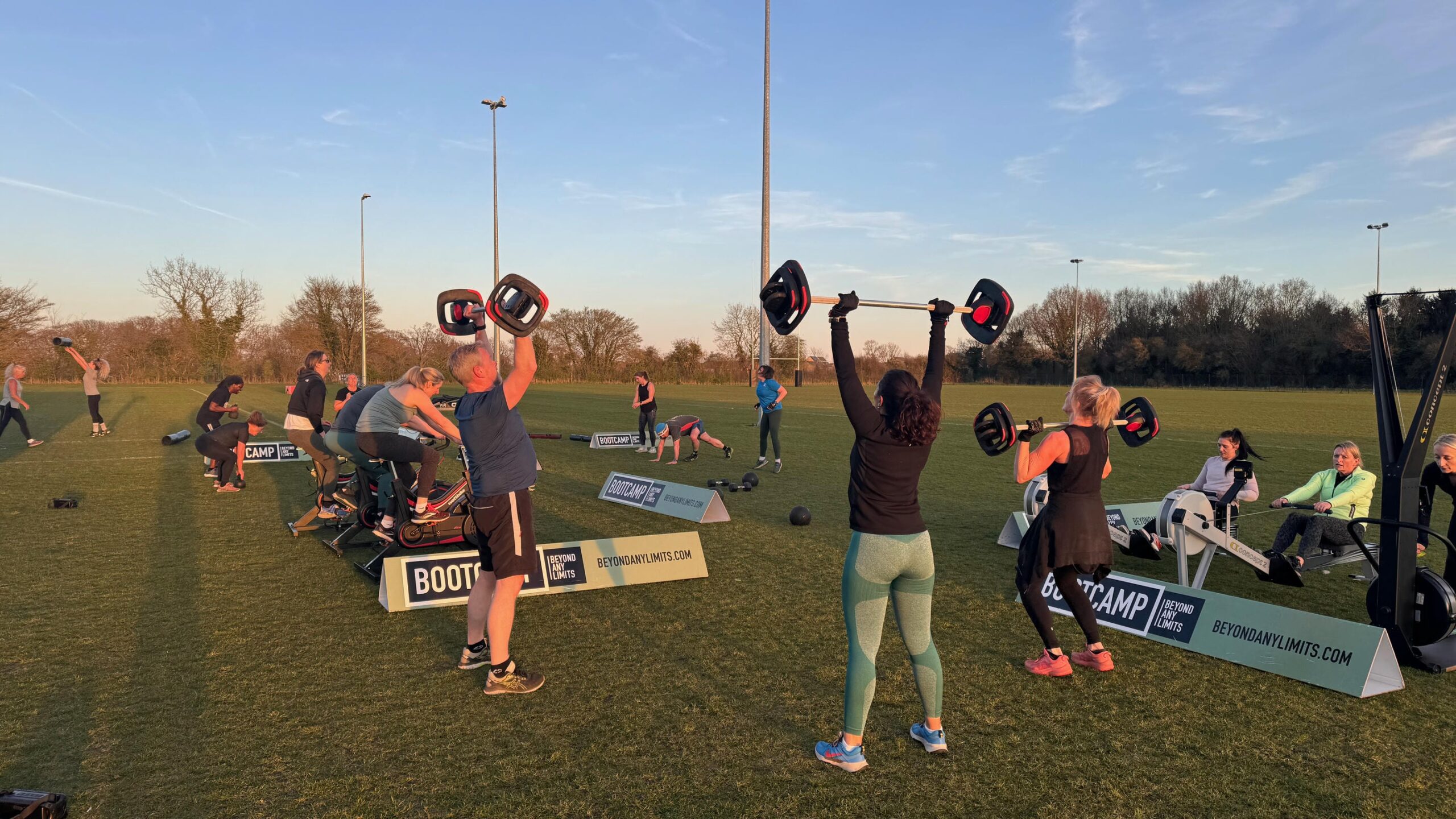
Understanding the Fitness Adventure Role is crucial for anyone seeking to embark on high-intensity experiences that push personal boundaries. Physical fitness does more than enhance performance; it provides the stamina, resilience, and mental clarity needed to confront unpredictable challenges. Adventure beyond limits requires not only courage but also a well-conditioned body capable of enduring long treks, demanding climbs, or rapid changes in environment. The integration of fitness into your preparation strategy ensures that each moment of exploration is both exhilarating and sustainable.
Building Endurance for Long-Duration Activities
Endurance is the backbone of adventure readiness. Whether hiking across rugged mountains, kayaking through tumultuous rivers, or cycling over long distances, sustained physical effort is essential. Developing cardiovascular capacity through running, swimming, or cycling allows adventurers to maintain energy levels over extended periods. Moreover, endurance training enhances oxygen utilization and reduces fatigue, which is especially valuable when navigating high-altitude environments or prolonged exertion. Recognizing the Fitness Adventure Role in endurance ensures that challenges are met with confidence rather than exhaustion.
Strength Training for Core Stability and Power
Strength is not solely about lifting heavy weights; it encompasses core stability, muscular balance, and functional power. Activities such as climbing, trekking, and paddling demand precise movements, often in unstable or uneven terrain. Core strength supports balance and coordination, reducing the risk of injury. Additionally, functional strength exercises mimic real-world demands, preparing the body for lifting gear, navigating obstacles, or enduring sudden physical stress. Consistent strength training transforms an ordinary adventurer into a capable, agile, and resilient participant.
Flexibility and Mobility for Dynamic Environments
Flexibility and mobility are often overlooked in traditional training, yet they are vital for adventurous undertakings. Stretching routines, yoga, and dynamic warm-ups enhance joint range of motion and reduce muscular tension, enabling smooth movement in constrained or awkward positions. Navigating rocky slopes, tight caves, or dense forests requires the ability to bend, twist, and extend safely. Incorporating mobility drills into your fitness regimen reinforces the Fitness Adventure Role by ensuring that your body adapts fluidly to diverse environments.
Mental Benefits of Physical Preparedness
Fitness extends beyond physical capability; it has a profound impact on mental resilience. Engaging in regular physical activity reduces stress, sharpens focus, and bolsters confidence. A strong, conditioned body reinforces a mindset of capability, making challenges feel surmountable rather than daunting. The knowledge that your body can endure the rigors of adventure cultivates courage and adaptability, critical traits for confronting unexpected obstacles during extreme activities. Physical preparation and mental preparedness work synergistically, enhancing both safety and enjoyment.
Functional Training for Real-World Adventure Scenarios
Adventure readiness demands more than general fitness; it requires functional training tailored to specific scenarios. Carrying backpacks, climbing over uneven terrain, or maintaining balance in unstable environments necessitates movements that replicate these actions. Exercises like weighted lunges, pull-ups, and balance drills simulate real-world demands, bridging the gap between gym-based fitness and actual adventure conditions. This purposeful approach underscores the Fitness Adventure Role, highlighting the importance of training that directly translates to performance in the field.
Recovery and Nutrition for Sustained Performance
Fitness alone is insufficient without attention to recovery and nutrition. Adequate sleep, stretching, hydration, and nutrient-rich meals facilitate muscle repair and maintain energy reserves. Adventure activities are physically taxing, and poor recovery can lead to injury or diminished performance. Strategic nutrition and rest optimize the body’s capacity to tackle rigorous challenges while preserving long-term health. Recognizing recovery as an integral component of fitness ensures that adventurers remain prepared and alert throughout their expeditions.
Preparing for Variable Conditions
Adventure beyond limits frequently exposes individuals to extreme and unpredictable conditions, including fluctuating temperatures, high altitudes, or inclement weather. Physical fitness equips the body to respond effectively to these stressors. Improved cardiovascular function supports acclimatization to altitude, muscular strength aids in stability on slippery or uneven surfaces, and overall conditioning reduces susceptibility to fatigue-related accidents. Fitness acts as both armor and engine, sustaining the body under demanding circumstances while enhancing the enjoyment of the journey.
Goal-Oriented Training and Assessment
Structured, goal-oriented fitness programs enhance preparation for specific adventures. Assessing baseline strength, endurance, and flexibility allows adventurers to identify weaknesses and tailor training accordingly. Setting measurable milestones, such as completing a certain number of kilometers or mastering technical maneuvers, ensures progressive improvement. This disciplined approach reinforces the Fitness Adventure Role, making each physical accomplishment a stepping stone toward a more daring and rewarding adventure.
Integrating Fitness into Lifestyle
Fitness for adventure should not be a temporary prelude; it thrives as an integrated lifestyle. Daily movement, recreational sports, and functional activities maintain conditioning even outside formal training sessions. Embedding fitness into routine life builds consistency, reduces injury risk, and fosters the stamina required for spontaneous or extended expeditions. When fitness becomes a lifestyle habit, adventurers experience both heightened performance and deeper enjoyment of each challenge.
Conclusion
The Fitness Adventure Role is indispensable for anyone seeking to push boundaries safely and effectively. Physical preparedness enhances endurance, strength, flexibility, and mental resilience, allowing adventurers to embrace extreme experiences with confidence. Coupled with proper nutrition, recovery, and functional training, fitness transforms the adventurous journey from a series of daunting challenges into a thrilling, sustainable, and rewarding exploration. By prioritizing fitness, adventurers not only amplify performance but also cultivate a mindset attuned to growth, resilience, and boundless possibility.
More Stories
Sunlit Trails and Hidden Horizons: The Art of Unscripted Outdoor Discovery
Wild Trails and Starlit Skies: The Art of Wandering Free
Adventure Beyond Limits: Uncharted Horizons and Unbreakable Spirits