




Uncharted Earth: Forging Your Own Path Beyond the Tourist Trail
In a world where Instagram filters and algorithm-driven travel itineraries often dictate our adventures, the allure of the “uncharted” has never been more compelling. While bucket-list destinations like the Eiffel Tower, Machu Picchu, and the Taj Mahal offer undeniable beauty and cultural significance, they also come with crowds, commercialization, and an almost predictable experience. For the intrepid traveler, the real magic lies in the places untouched by mass tourism—where the journey is as rewarding as the destination itself.
The idea of exploring beyond the tourist trail isn’t new. Nomadic cultures have always sought the road less traveled, and modern-day adventurers are increasingly drawn to the thrill of discovery. But what does it truly mean to forge your own path in an era where every corner of the globe is just a Google search away? It means embracing curiosity, embracing discomfort, and, most importantly, embracing the unknown.
The Allure of the Unexplored
The human spirit has an innate desire to explore, to push boundaries, and to find the extraordinary in the ordinary. While the Grand Canyon and the Serengeti are breathtaking, they are also teeming with visitors, each vying for the perfect photo. The uncharted, on the other hand, offers something far more precious: authenticity.
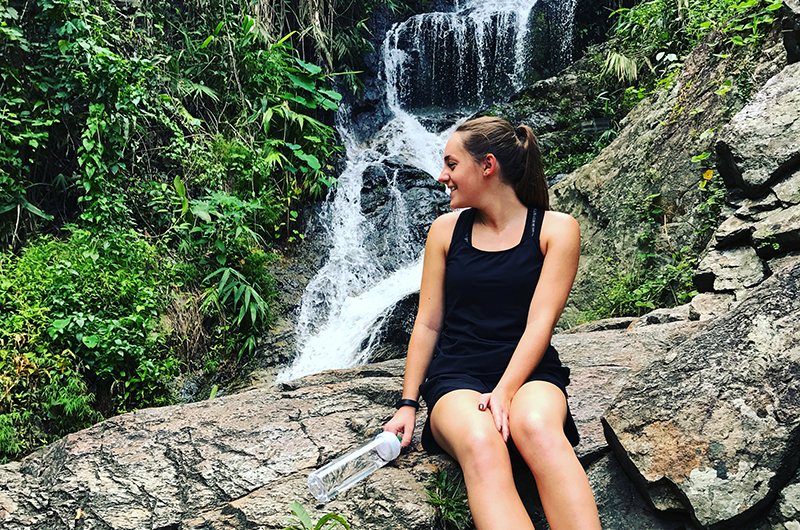
Consider the remote villages of Ladakh in India, where ancient Buddhist monasteries cling to cliffs and the air is thin with the whispers of prayer flags. Or the hidden waterfalls of Northern Thailand, where misty jungles hide cascades untouched by tourism. These places aren’t just destinations; they are experiences that challenge our perceptions of travel and self-discovery.
The uncharted isn’t always about geography, either. It’s about perspective. It’s about stepping off the well-trodden path of expectations and allowing yourself to be surprised by the unexpected—a chance encounter with a local artisan, a spontaneous detour that leads to a hidden gem, or a moment of quiet reflection in a place where few others have stood.
Why the Tourist Trail Isn’t for Everyone
There’s nothing inherently wrong with visiting popular landmarks. They are popular for a reason—beauty, history, or cultural significance. But for those who crave something deeper, something more personal, the tourist trail can feel like a treadmill. It’s a cycle of checklists and photo opportunities, where the goal isn’t to experience but to capture.
The downsides of mass tourism are well-documented: environmental degradation, cultural commodification, and the erosion of local traditions. When every street corner in Venice is packed with selfie sticks or every temple in Kyoto is surrounded by tour groups, the essence of a place can feel lost. For travelers who want to connect with the soul of a destination, the uncharted offers a refreshing alternative.
Moreover, the tourist trail often prioritizes efficiency over experience. Flights, hotels, and attractions are booked in advance, leaving little room for spontaneity. The uncharted, however, thrives on the unexpected. It’s about saying yes to detours, striking up conversations with strangers, and letting curiosity guide your steps.
How to Start Forging Your Own Path
Venturing off the beaten path doesn’t require a complete abandonment of planning. It’s about striking a balance between preparation and openness. Here are some practical steps to help you get started:
- Research with an Open Mind
Look beyond the usual travel blogs and guidebooks. Seek out local voices, blogs written by residents, or even Reddit threads where people share their hidden gems. Platforms like Atlas Obscura or local tourism boards can also highlight lesser-known attractions. The key is to approach research with curiosity rather than a rigid itinerary.
- Embrace Slow Travel
Instead of rushing from one city to the next, consider spending more time in fewer places. Rent a room in a local’s home, volunteer, or take a class in a traditional craft. Slow travel allows you to immerse yourself in the rhythm of a place and uncover its secrets over time.
- Talk to Locals
Some of the best discoveries happen when you step out of your comfort zone and engage with the people who call a place home. Ask for recommendations, accept invitations for tea, or join a community event. Locals know the unspoken paths—the trails that aren’t on any map, the festivals that aren’t in guidebooks, and the stories that aren’t shared with tourists.
- Be Willing to Get Lost
Literally. Navigation apps are helpful, but they can also limit your sense of adventure. Wander without a destination in mind, turn down side streets, and follow your instincts. Getting lost often leads to the most memorable experiences—whether it’s stumbling upon a family-run restaurant or finding a viewpoint that offers a completely new perspective on a familiar skyline.
- Travel Off-Season
Peak season crowds can transform even the most remote destinations into tourist hotspots. Traveling during the shoulder season or off-season not only means fewer people but also a more authentic experience. You’ll see locals going about their daily lives, seasonal traditions, and landscapes in their most natural state.
- Use Alternative Accommodations
Hotels are convenient, but they often place you in a bubble. Consider staying in guesthouses, homestays, or even camping in areas where it’s safe and appropriate. These options not only put you in closer contact with locals but also often lead to unexpected connections and stories.
The Challenges—and Rewards—of the Uncharted
Forging your own path isn’t always easy. Language barriers, unfamiliar customs, and the lack of familiar comforts can be daunting. There’s a reason why most travelers stick to the familiar—it’s safe, predictable, and comfortable. But it’s also why so many return home feeling like they’ve only scratched the surface of a place.
The rewards, however, are immeasurable. There’s a profound sense of accomplishment that comes from navigating a new place on your own terms. There’s the joy of stumbling upon a hidden beach where you’re the only soul for miles, or the humility of realizing how little you truly know about the world. The uncharted teaches resilience, adaptability, and gratitude in ways that a five-star resort never could.
It also fosters a deeper connection to the planet and its people. When you seek out the uncharted, you’re not just a tourist—you’re a participant in the ongoing story of a place. You become part of its narrative, even if only for a short time. And in a world where so much is documented and shared, there’s something sacred about being present in a moment that hasn’t been curated for an audience.
Ethical Considerations: Traveling Responsibly
The pursuit of the uncharted comes with a responsibility to travel ethically. Just because a place isn’t on the tourist trail doesn’t mean it’s yours to exploit. Here are a few principles to keep in mind:
- Respect Local Cultures and Traditions
Dress appropriately, ask before taking photos, and be mindful of sacred sites. What might seem like harmless curiosity to you could be deeply offensive to others.
- Minimize Your Environmental Impact
Stick to marked trails, avoid littering, and support eco-friendly accommodations and tour operators. The uncharted is often fragile, and your presence should leave as little trace as possible.
- Support Local Economies
Spend your money in locally owned businesses rather than international chains. Hire local guides, buy handmade souvenirs, and eat at family-run eateries. This ensures that your journey benefits the community rather than displacing it.
- Be Mindful of Wildlife
Avoid activities that exploit animals, such as elephant rides or tiger selfies. Observe wildlife from a respectful distance and never feed or disturb them.
By traveling responsibly, you ensure that the uncharted remains unspoiled for future generations of explorers. You also honor the places and people you encounter, turning your journey into something far greater than a personal adventure.
Inspiration for the Uncharted Explorer
If you’re ready to step off the tourist trail but aren’t sure where to start, here are a few ideas to spark your imagination:
- Hidden Gems in Europe
- Visit the Triglav Lakes Valley in Slovenia, a pristine alpine wonderland accessible only by hiking.
- Explore the abandoned village of Craco in Italy, a hauntingly beautiful ghost town perched on a cliff.
- Discover the Azores in Portugal, where volcanic craters, geothermal hot springs, and dramatic coastlines await away from the crowds.
- Asia’s Secret Spots
- Wander through the ancient tea plantations of Pu’er in China, where misty mountains and terraced hills create a serene escape.
- Hike to the remote village of Lingshed in Ladakh, home to a 1,000-year-old monastery and breathtaking Himalayan views.
- Explore the lesser-known islands of the Andaman Sea in Myanmar, where turquoise waters and empty beaches feel like a dream.
- Off-the-Beaten-Path in the Americas
- Visit the surreal landscapes of the Atacama Desert in Chile, where salt flats, geysers, and stargazing under the clearest skies on Earth await.
- Hike the Lost Coast Trail in California, a rugged and remote stretch of coastline where the Pacific meets towering cliffs.
- Discover the colonial charm of Trinidad, Cuba, a UNESCO World Heritage site that feels frozen in time.
- African Adventures Beyond the Safari
- Explore the fairy-tale landscapes of the Ennedi Massif in Chad, a hidden desert wonderland of rock arches and canyons.
- Visit the remote village of Omo Valley in Ethiopia, where indigenous tribes maintain ancient traditions untouched by modernity.
- Wander through the dunes of the Skeleton Coast in Namibia, a desolate and otherworldly landscape where shipwrecks tell tales of the past.
- Oceania’s Hidden Paradises
- Discover the untouched beaches of the Marquesas Islands in French Polynesia, where time seems to stand still.
- Hike the Kokoda Track in Papua New Guinea, a challenging but deeply rewarding journey through lush jungles and remote villages.
- Explore the Fiordland National Park in New Zealand, where misty fjords and towering waterfalls create a cinematic landscape.
The Journey Within
Ultimately, forging your own path is about more than just discovering new places—it’s about discovering new parts of yourself. Travel has a way of stripping away the layers of daily life, revealing strengths and vulnerabilities you never knew you had. When you step off the tourist trail, you’re not just exploring the world; you’re exploring the boundaries of your own comfort zone.
There’s a quiet courage in choosing the road less traveled. It’s the courage to trust your instincts, to embrace the unknown, and to find wonder in the places that haven’t been tamed by tourism. It’s the courage to be present, to listen, and to let the world surprise you.
So the next time you plan a trip, consider skipping the must-see attractions and seeking out the must-feel experiences instead. The uncharted isn’t just a destination—it’s a mindset. And it’s one that can transform not only how you travel but how you live.
Where will your journey beyond the tourist trail take you?
More Stories
Sunlit Trails and Hidden Horizons: The Art of Unscripted Outdoor Discovery
Wild Trails and Starlit Skies: The Art of Wandering Free
Adventure Beyond Limits: Uncharted Horizons and Unbreakable Spirits